


敏捷动态
Four Major Platforms, One Training Venue: AGIBOT System Wins Acclaim from International Surgeons Through Its Performance
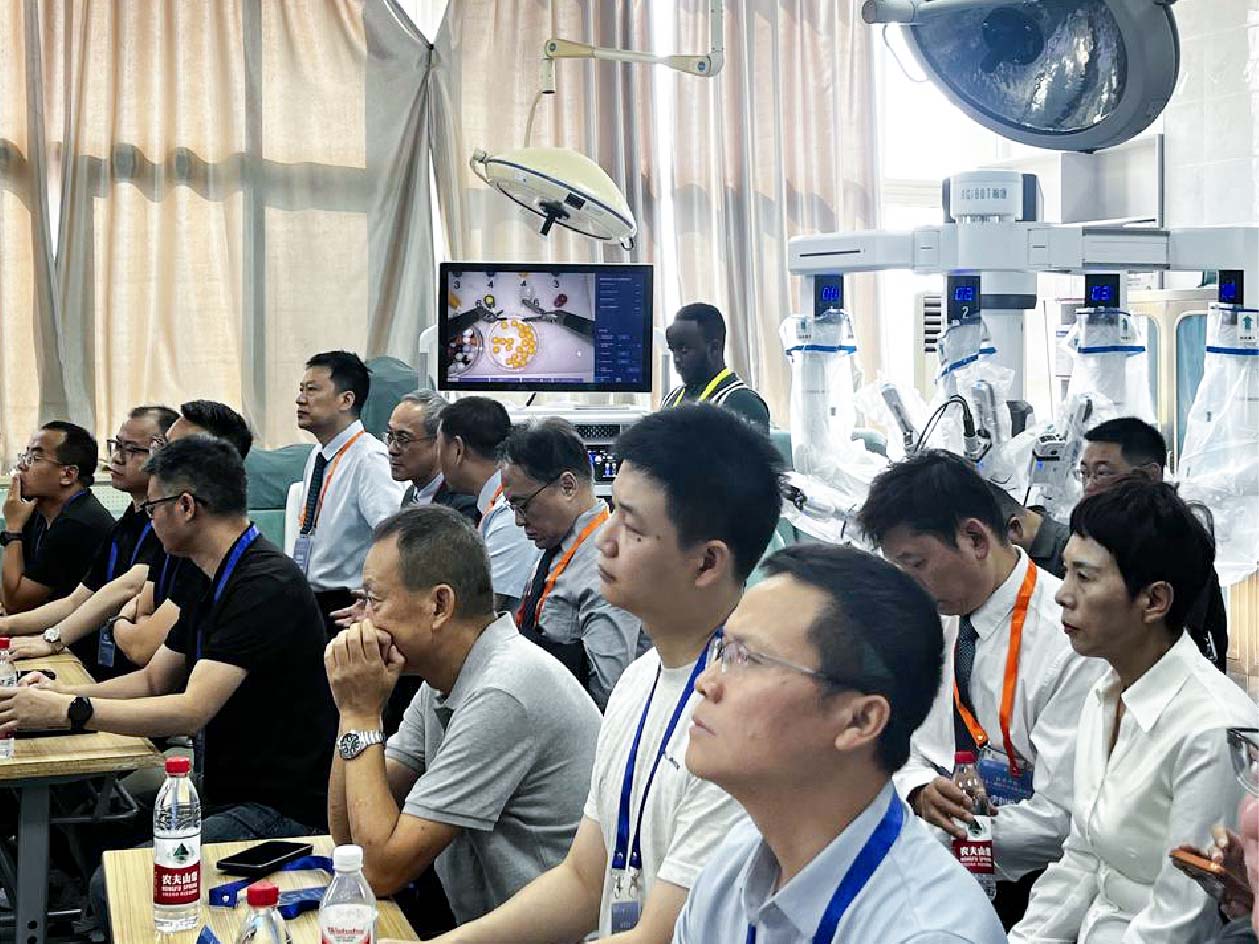
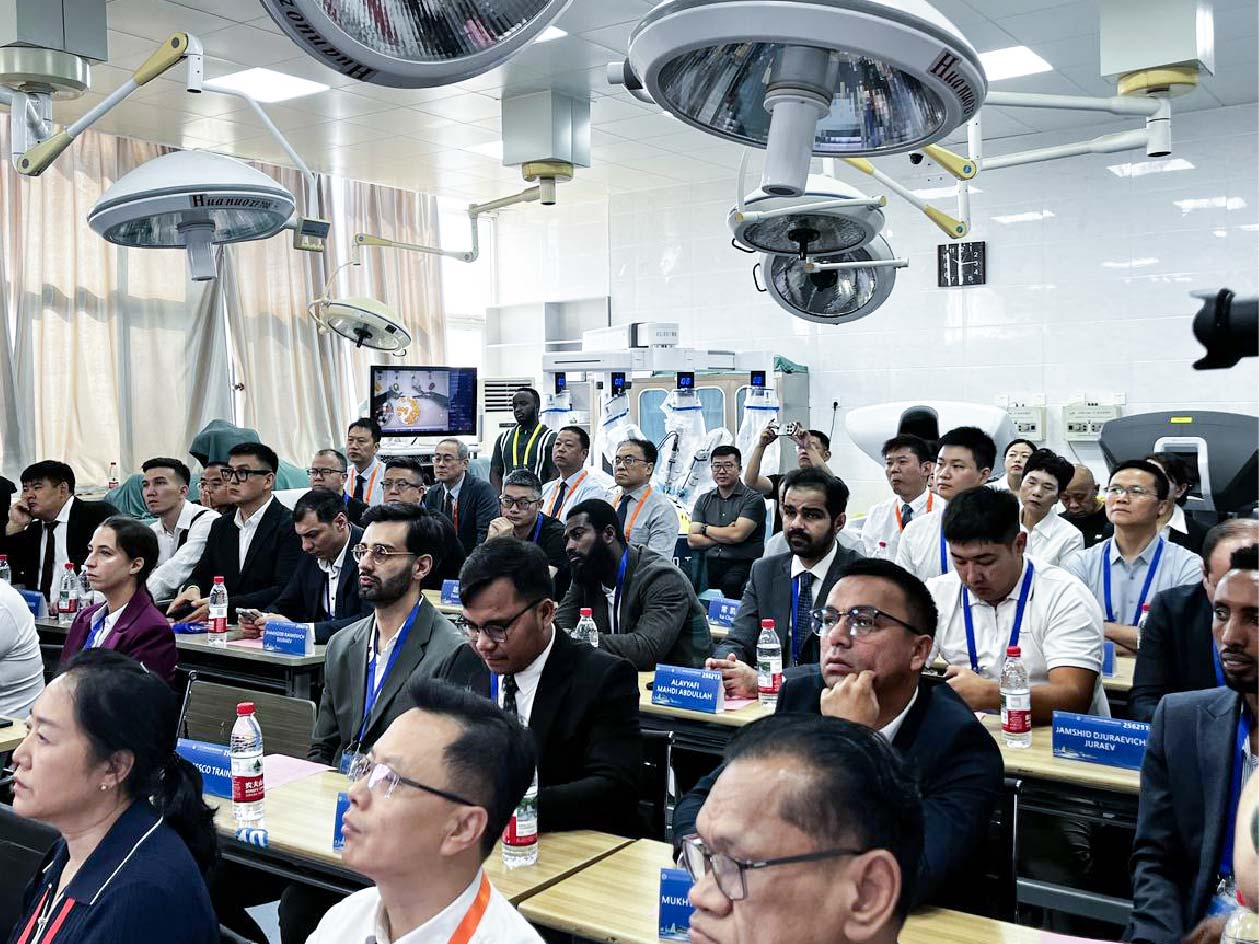
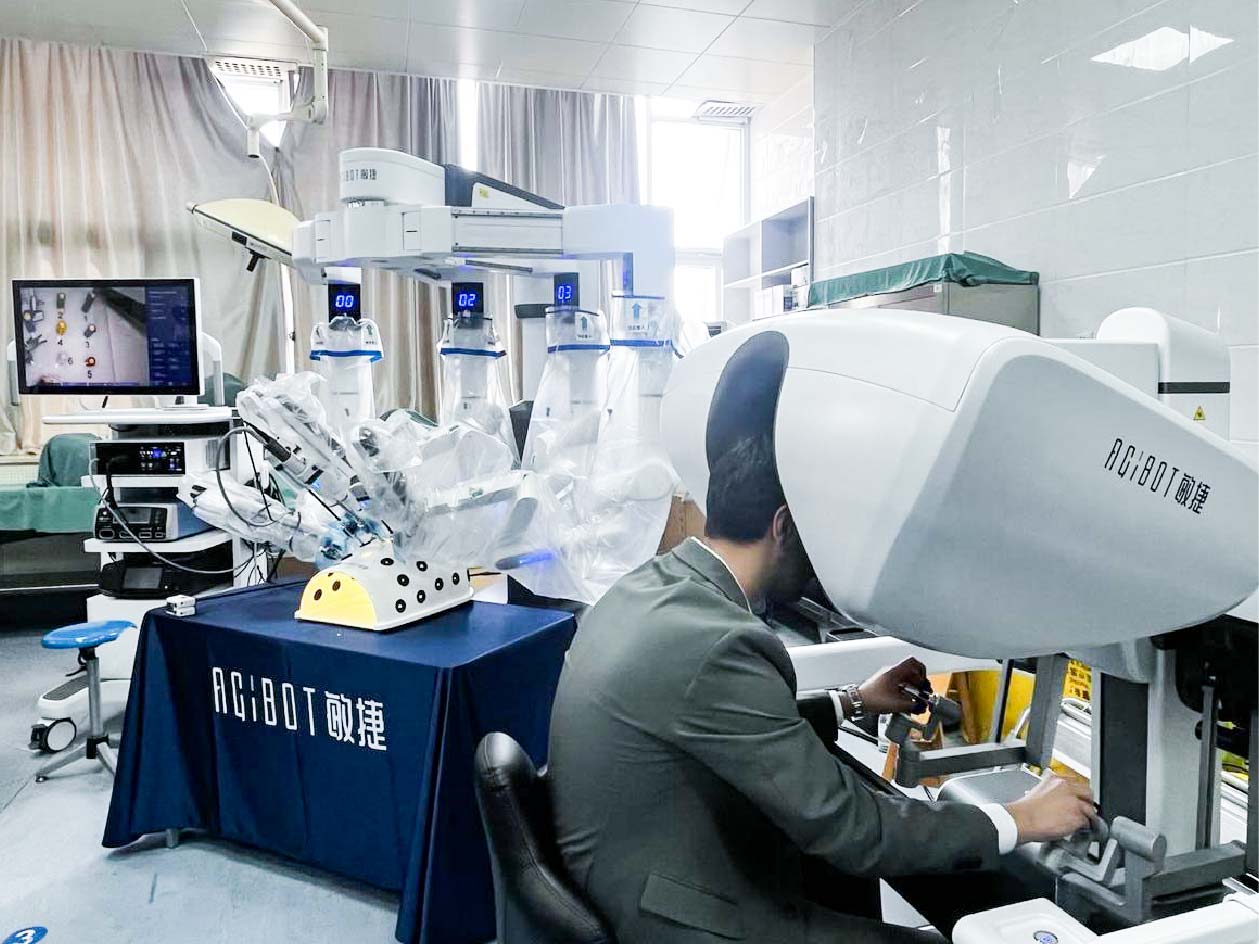
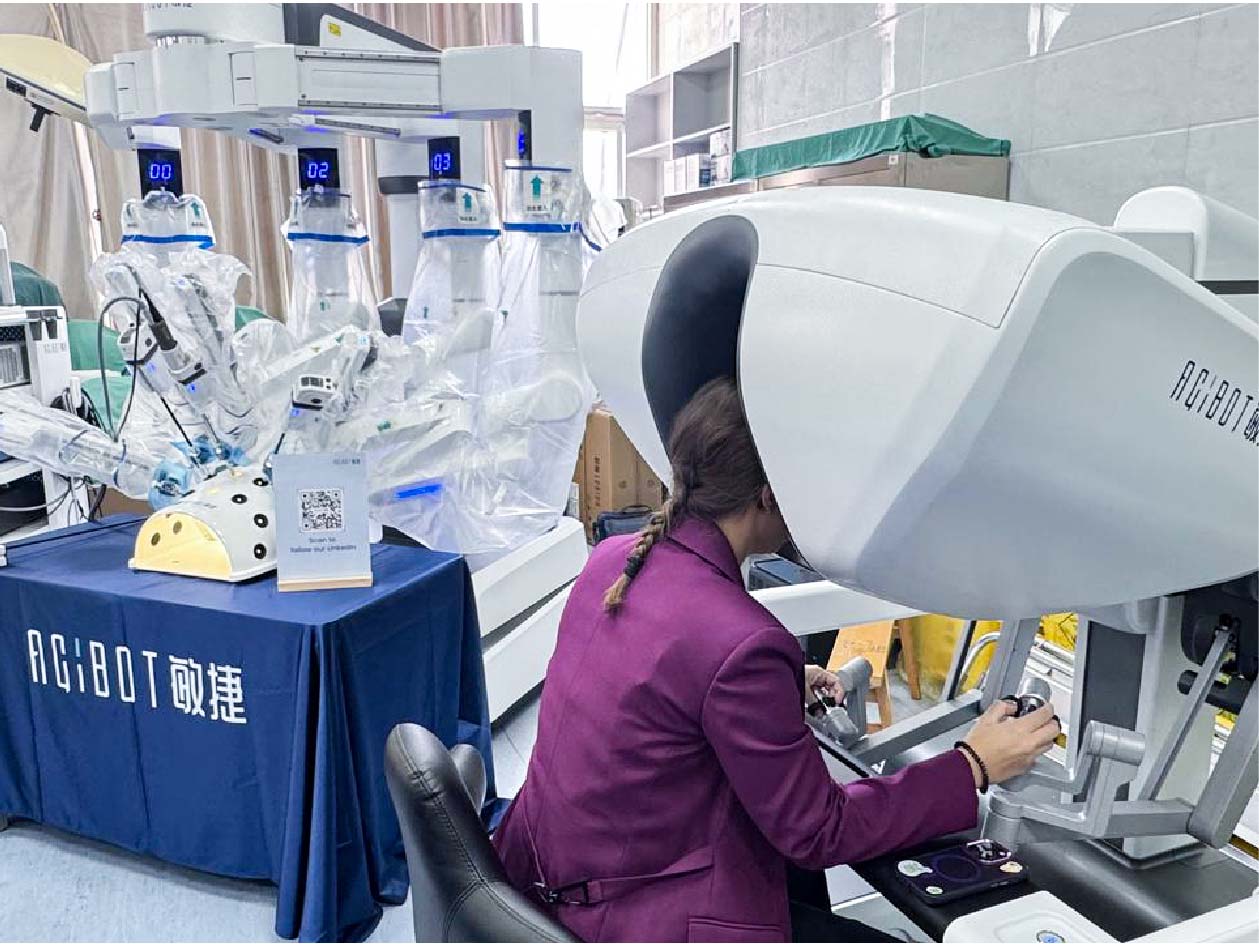
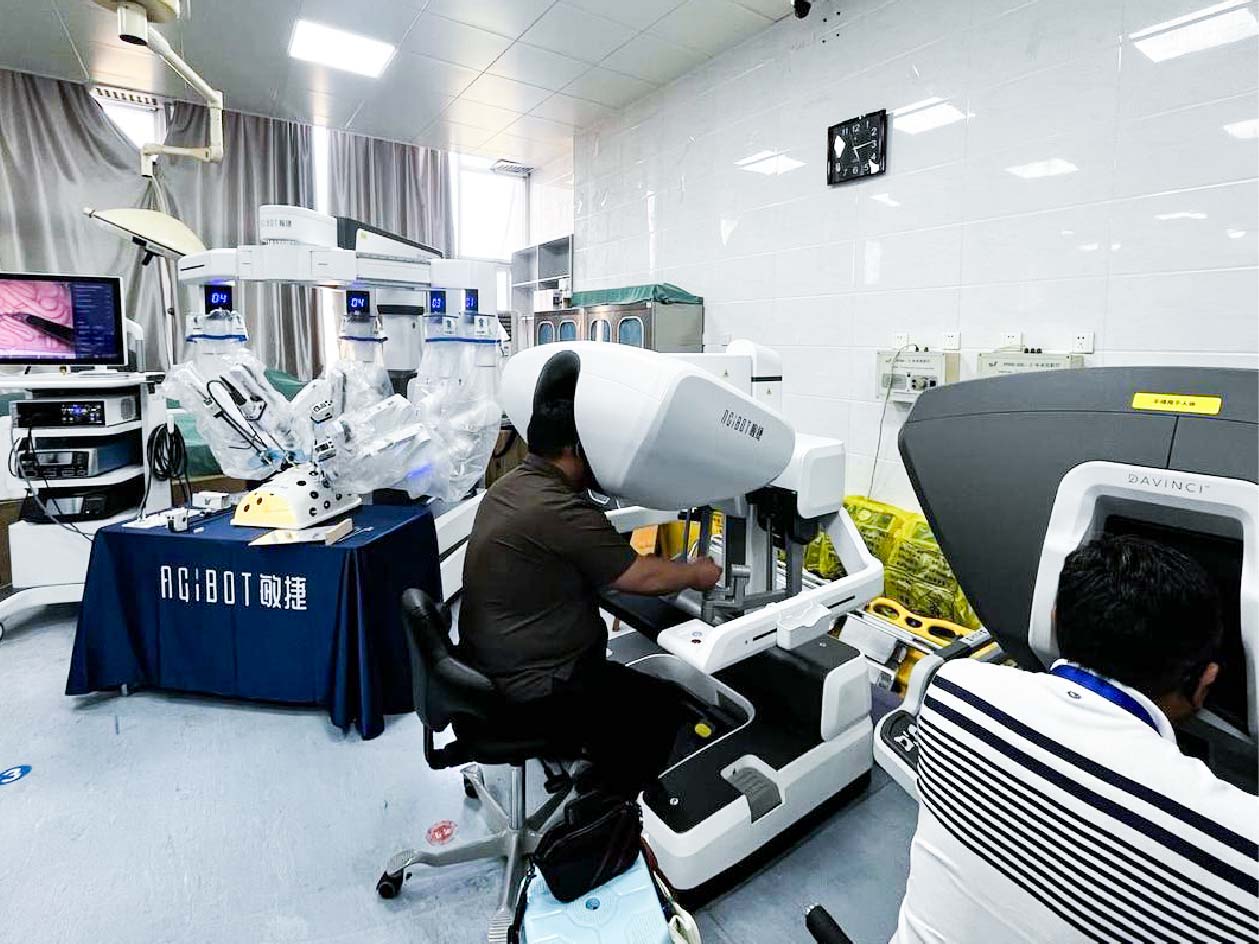
At a single training venue, four major robotic platforms were open for hands-on operation. Surgeons from multiple countries across Europe, Asia and Africa took their seats at the Surgeon Console, adjusted the endoscope view and manipulated the instruments, forming first-hand impressions of the different systems through grasping, suturing and knot tying. For AGIBOT, which took part in the event, product exchange began with surgeons operating the system with their own hands.
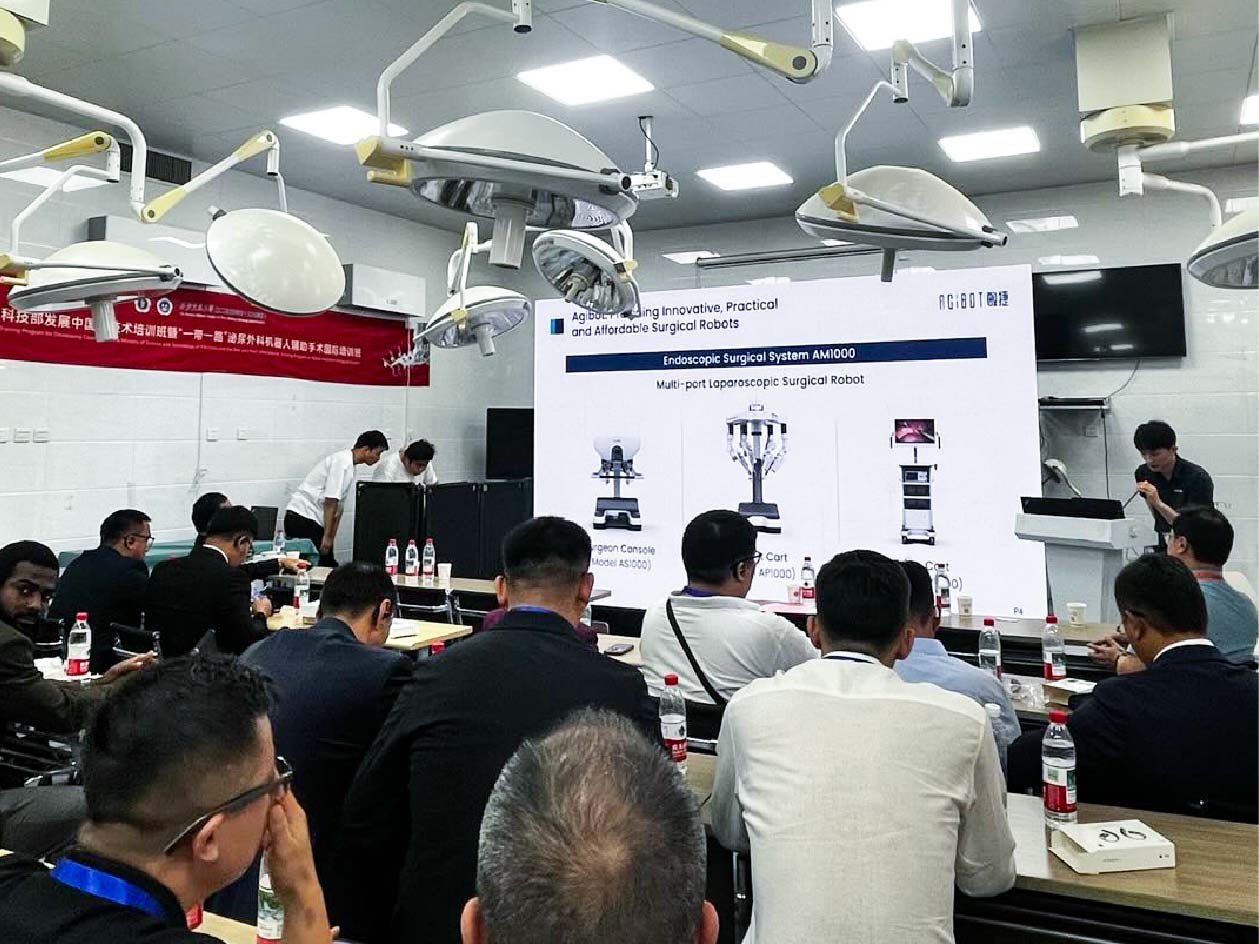
From September 6 to 19, the Academic Annual Meeting of the Urology Minimally Invasive Professional Committee of the Shaanxi International Medical Exchange Promotion Association and the International Training Course on Urological Robotic-Assisted Surgery were held in Xi'an. Endoscopic surgical robotic systems from four companies—AGIBOT, Intuitive Fosun, MicroPort MedBot and Cornerstone Robotics—were jointly used in the training, giving participants access to multiple platforms for hands-on practice. The AGIBOT Endoscopic Surgical System (hereinafter referred to as the "AGIBOT System") took part in the event, while AGIBOT also provided instruction on surgical system operation and English-language technical support; the operating experience received positive feedback from the participants on site.
The event was hosted by the Shaanxi International Medical Exchange Promotion Association (SXIMEA) and organized by institutions including The Second Affiliated Hospital of Xi'an Jiaotong University. It was conducted under the International Training Course on Urological Robotic-Assisted Surgery, a project within the "Technology Training Courses for Developing Countries" program of the Ministry of Science and Technology (MOST). With "Technology Empowerment, International Collaboration, Innovative Development" as its theme, the event focused on the standardization and wider adoption of robotic surgery technology.
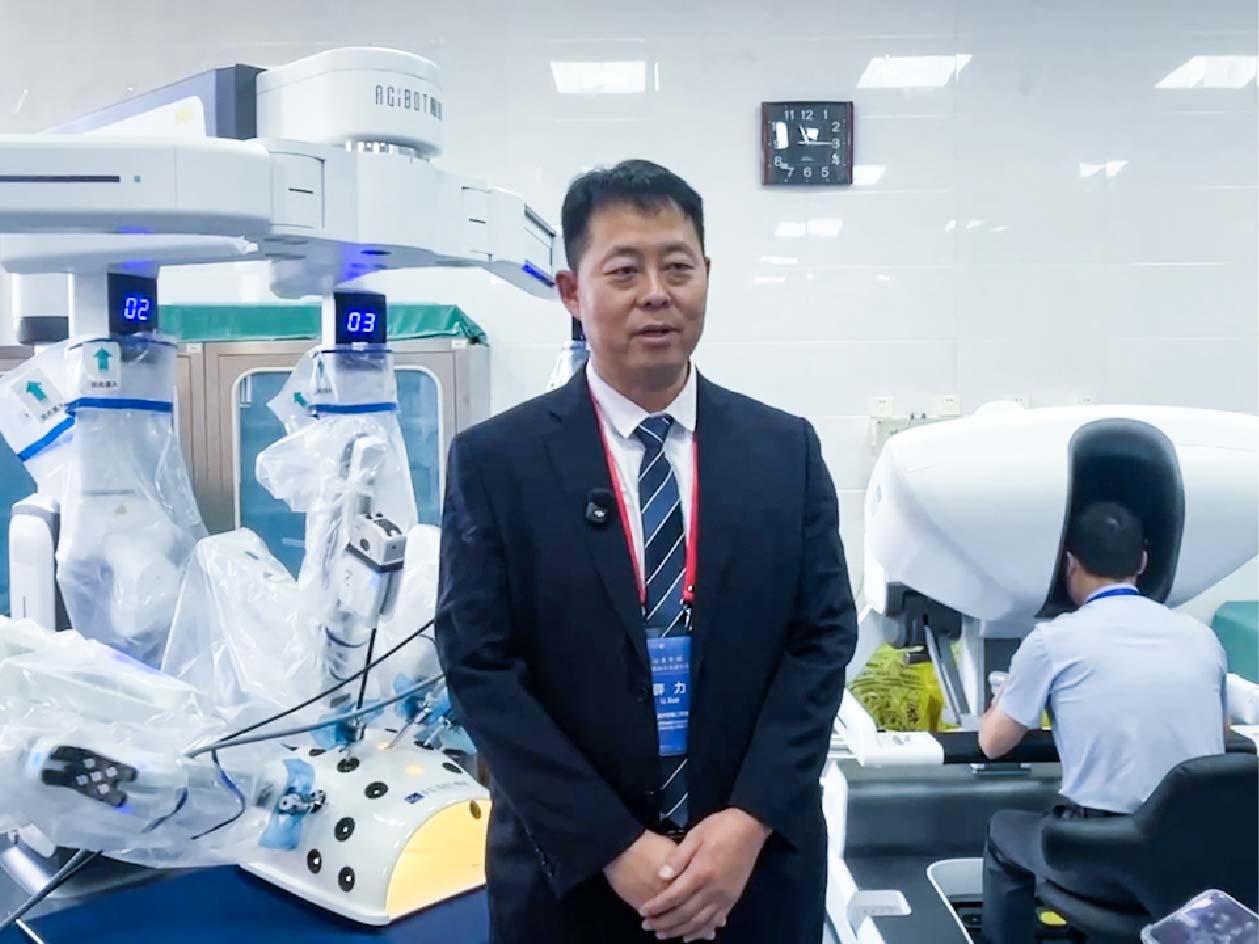
Professor Xue Li, Director of the Department of Urology at The Second Affiliated Hospital of Xi'an Jiaotong University, being interviewed by the media
Training Side by Side: A Focus on the First-Time User Experience
For these participants, robotic operation was a new subject to learn. They needed to become familiar with the Surgeon Console, map their hand movements to instrument motion, and then coordinate the endoscope with both hands to complete continuous operations. The participation of multiple platforms allowed surgeons to encounter different interaction designs and control methods within the same training environment and to form their own user impressions through practice.
AGIBOT's involvement began with a system operation briefing on the opening day and extended through training modules covering basic operations, fine suturing, ex vivo kidney resection and repair, and comprehensive reconstruction. The AGIBOT System was incorporated into the progressive curriculum, allowing participants to use it continuously across tasks of increasing difficulty.
During the hands-on sessions, participants gave positive feedback on their operating experience with the AGIBOT System: the Surgeon Console was easy to get familiar with, the spatial relationship between the needle tip and the target position was clear under the stereoscopic 3D vision, instrument angles could be adjusted flexibly, and movements connected smoothly when both hands worked together to suture and tie knots. As practice progressed from basic operations to fine suturing and comprehensive tasks, participants became increasingly familiar with the surgical robot, and exchanges further focused on instrument use and coordination techniques in different operating scenarios.
Feedback from first-time users added another dimension to the exchange: a discussion of product usability. Surgeons from different medical backgrounds shared common needs when learning robotic operation—clear operating logic, intuitive control methods and smooth coordination of movements. These needs were also concretely reflected in the subsequent training tasks.
Every Stitch in Place: The Details of Control
Fine suturing of the egg's inner shell membrane was one of the most representative tasks in this training, distilling the learning down to every single stitch. The operator had to judge the needle entry point while adjusting the needle-holding angle; one instrument guided the suture needle while the other assisted by holding the tissue steady. After passing the needle in and out, the operator also had to control the tension when tightening the suture and tying the knot, so as to avoid traction-related tearing. Every step required visual judgment and two-handed movements to work in concert.
Throughout this process, the AGIBOT System's 4K/3D vision supported identification of the spatial relationship between the needle tip and the operating surface; its seven-degrees-of-freedom (7-DoF) instruments facilitated adjustment of the needle entry angle; and its millisecond-level Master-Slave Control linked hand movements to instrument motion. For the participants, these functions translated directly into the concrete tasks at hand: how to deliver the needle to the proper position and how to coordinate the two instruments to complete each movement.
When training moved on to ex vivo kidney resection and repair with end-to-end anastomosis, the participants had even more factors to consider. Beyond each individual needle pass, they had to plan the suturing path, control needle spacing and edge margins, and balance tissue protection with the transition between steps. The basic skills practiced in earlier sessions were thus integrated into a more complete operative process. In small-group practice, real-time feedback and quality reviews likewise extended from individual movements to complete tasks, helping participants apply basic skills to comprehensive operations.
Professional Support for Surgeons' Development
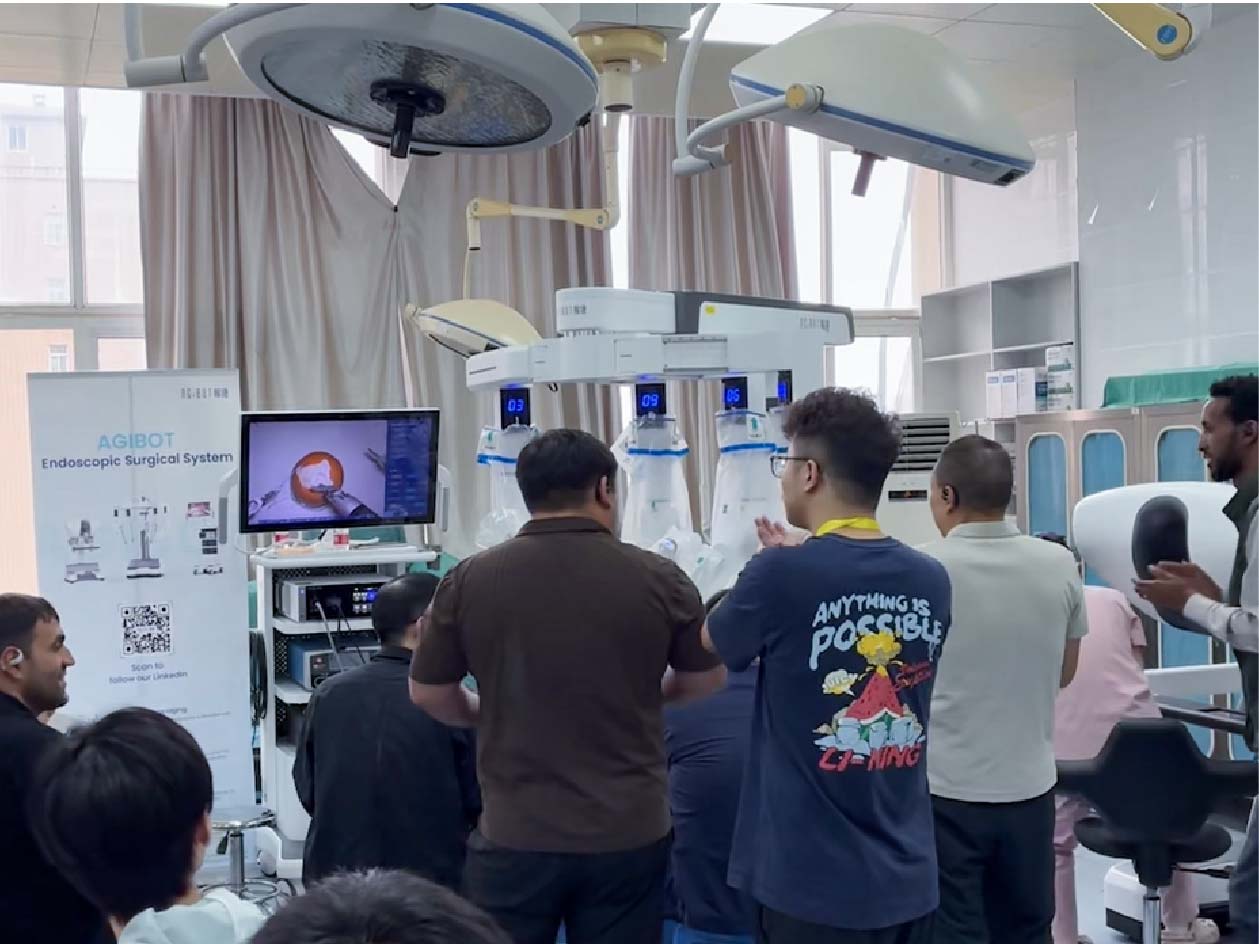
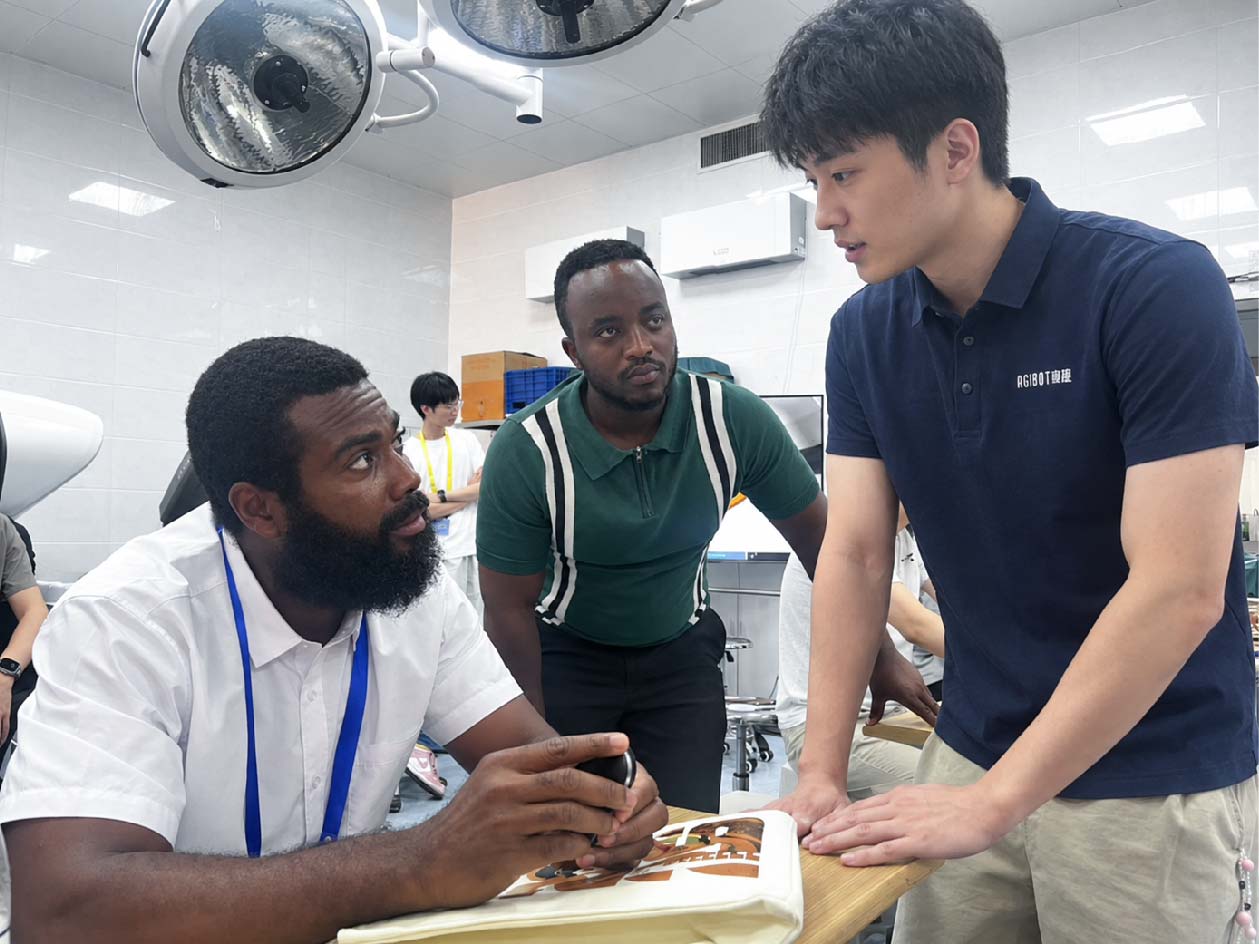
Beyond the equipment itself, learning to operate a robot also requires accurate technical communication. At this training, AGIBOT assigned English-speaking technical support staff, who took part in system briefings, explanations of precautions for use and hands-on assistance. As participants became familiar with robotic operation, their exchanges with the team also gave them a deeper understanding of AGIBOT's professional capabilities and service support, and a fuller picture of the company behind the product.
Whether in China or overseas, surgeons learning a technology need reliable products, standardized training and professional support. Addressing participants with different language backgrounds and levels of experience, AGIBOT responded to their needs through corresponding technical communication and training support. This international training was also a concrete practice of that service philosophy: bringing the product closer to surgeons and taking part in surgeon development through professional support, so as to contribute to the standardized application and wider adoption of robotic surgery technology.
2026.09.22