


AGIBOT Dynamics
Clinical Case | The First Affiliated Hospital of Chongqing Medical University × AGIBOT: Multidisciplinary, Multi-procedure Robotic Surgery
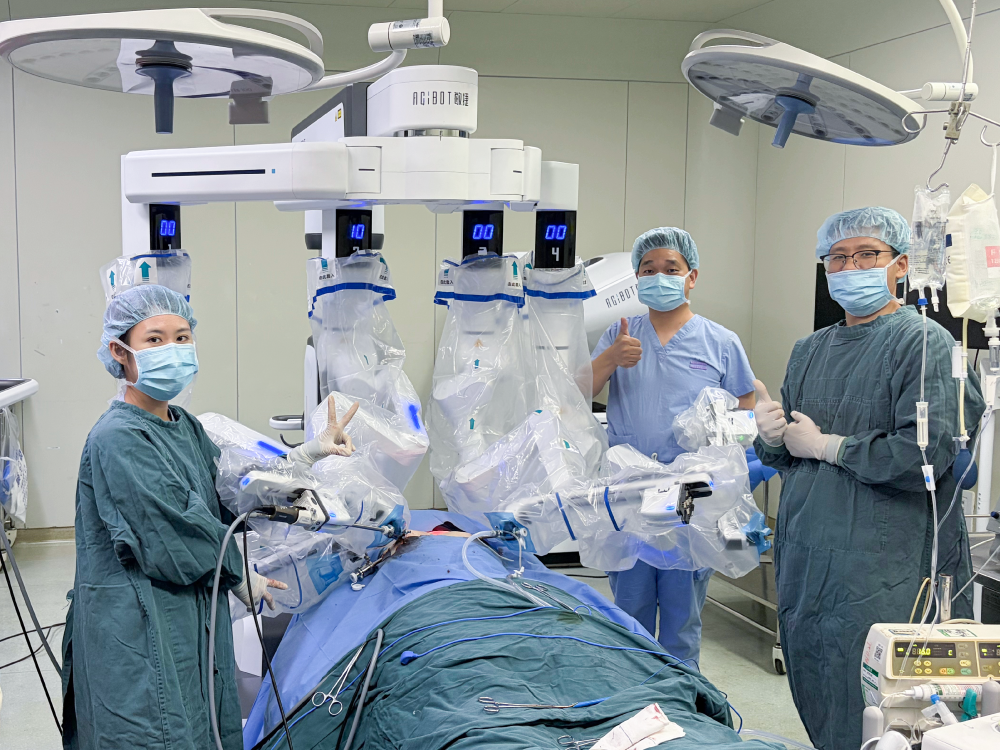
From June 24 to 28, 2026, the "Robotic Surgery Live Broadcast Week" jointly organized by The First Affiliated Hospital of Chongqing Medical University and Agibot Medical Technology (Suzhou) Co., Ltd. was successfully concluded. Over the five-day intensive surgical demonstration, Professor Wang Delin's team from the Department of Urology and Professor Xing Lei's team from the Department of Breast and Thyroid Surgery used AGIBOT endoscopic surgical system to perform multiple robotic-assisted radical tumor resections, covering two major disciplines—urology and thyroid/breast surgery—and three different surgical procedures. The patient cohort included extremely elderly, high-risk cases approaching 90 years of age, as well as complex cases requiring both functional preservation and scar‑free neck outcomes. From precise dissection in the deep pelvic cavity to dexterous manipulation in the narrow cervical space, AGIBOT endoscopic surgical system withstood a cross‑specialty, high‑intensity systematic test across diverse anatomical scenarios.
Urology: Challenges of Radical Resection in Elderly, High‑Risk Bladder Cancer Patients
Bladder cancer is one of the most common malignant tumors of the urinary system, and radical cystectomy is the standard treatment for muscle‑invasive bladder cancer. However, this procedure involves extensive tissue dissection in the deep pelvis and urinary tract reconstruction; it is technically complex and highly traumatic, with particularly elevated perioperative risks in elderly patients with multiple comorbidities. During the live broadcast week, Professor Wang Delin's team successfully completed two robotic‑assisted laparoscopic radical cystectomies with bilateral cutaneous ureterostomies. Both patients were elderly individuals with advanced bladder malignancies and complex medical conditions, making them highly representative cases.
Case 1: Recurrent Invasive Bladder Cancer
The patient was over 70 years old. Preoperative CTU revealed a mass in the trigone of the bladder invading the serosal layer, with unclear borders from the prostate and seminal vesicles. The lesion obstructed the orifices of both ureters, causing bilateral hydronephrosis and hydroureter. The patient also had multiple chronic diseases and poor surgical tolerance.
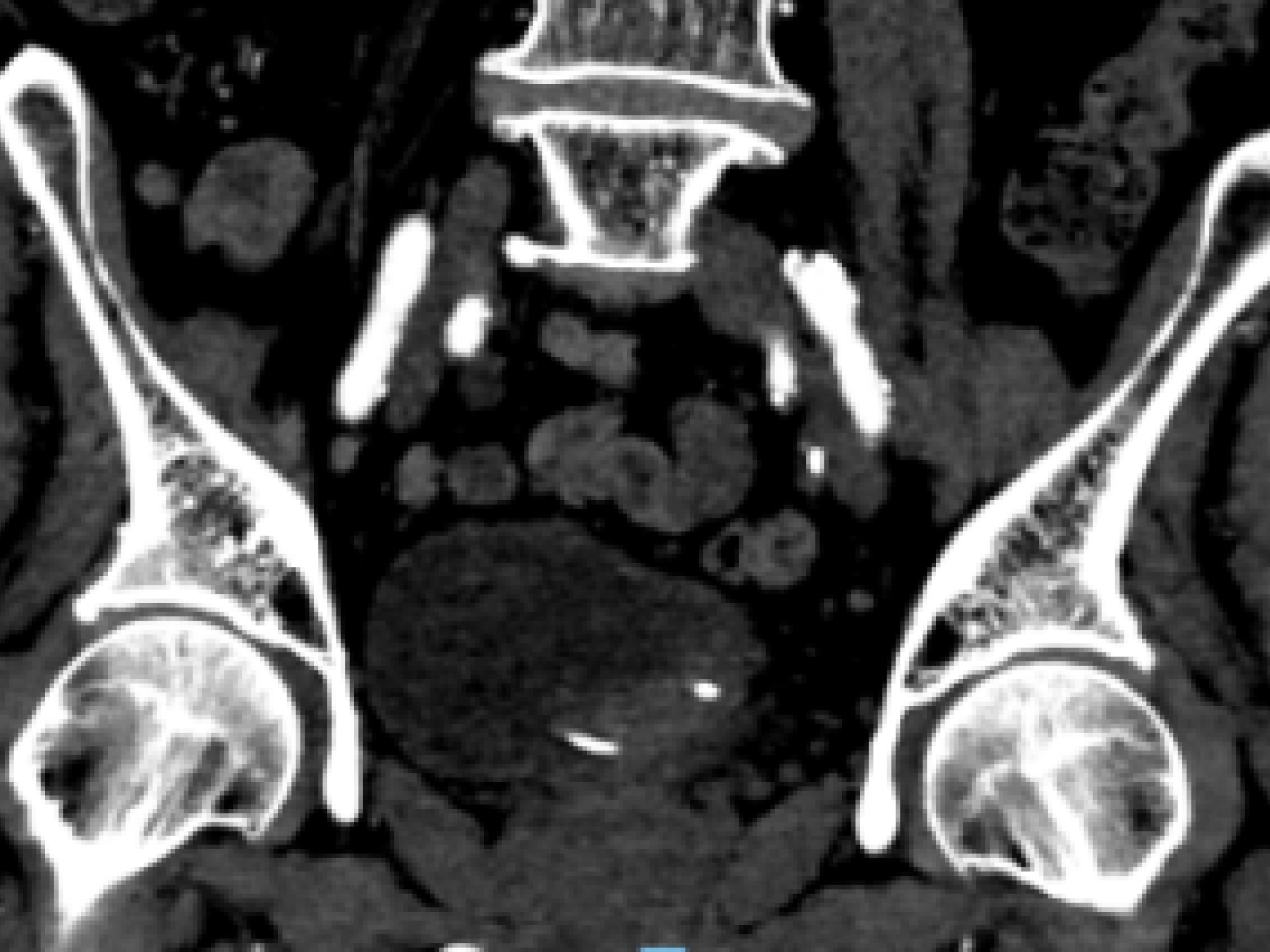
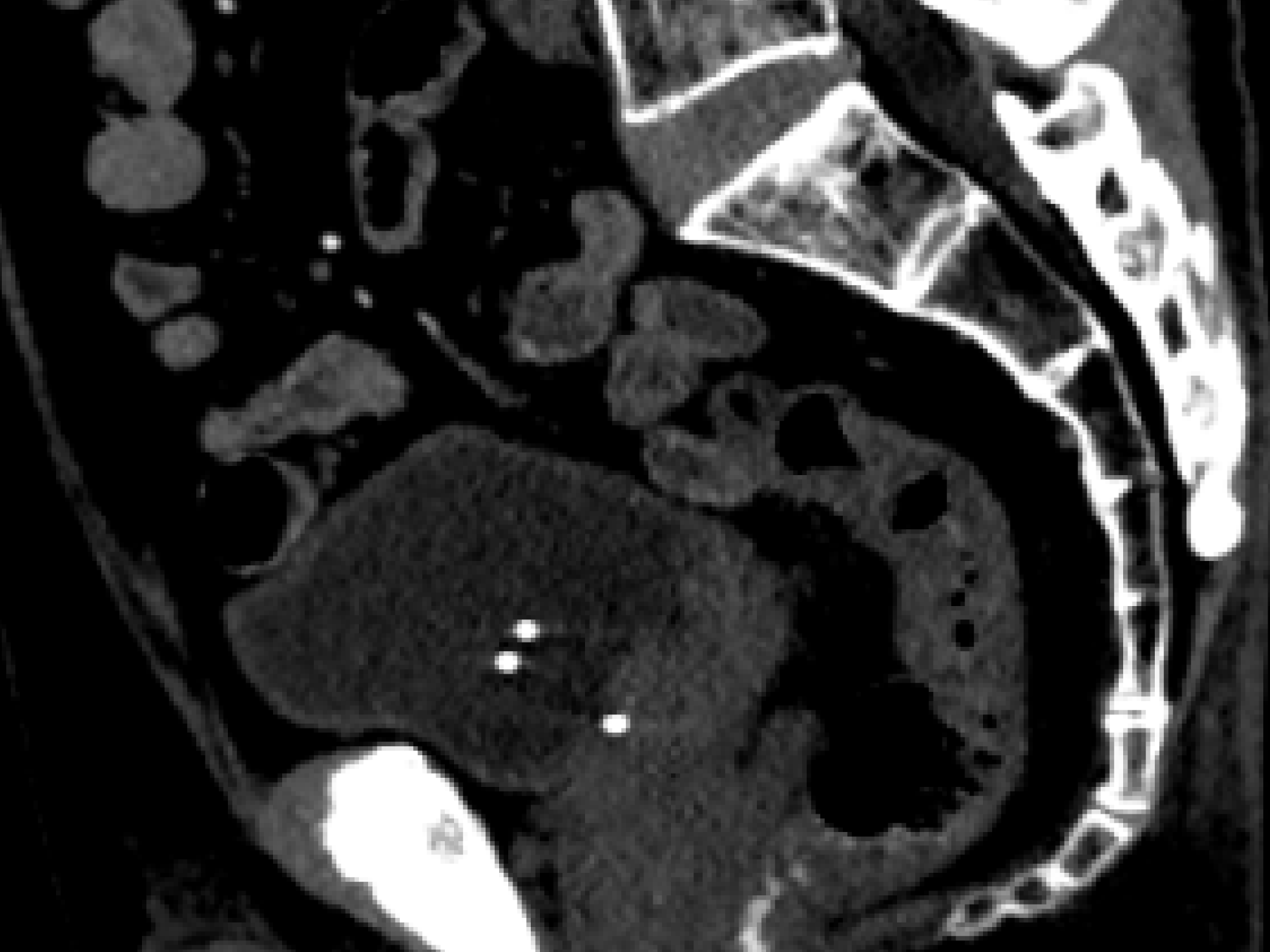
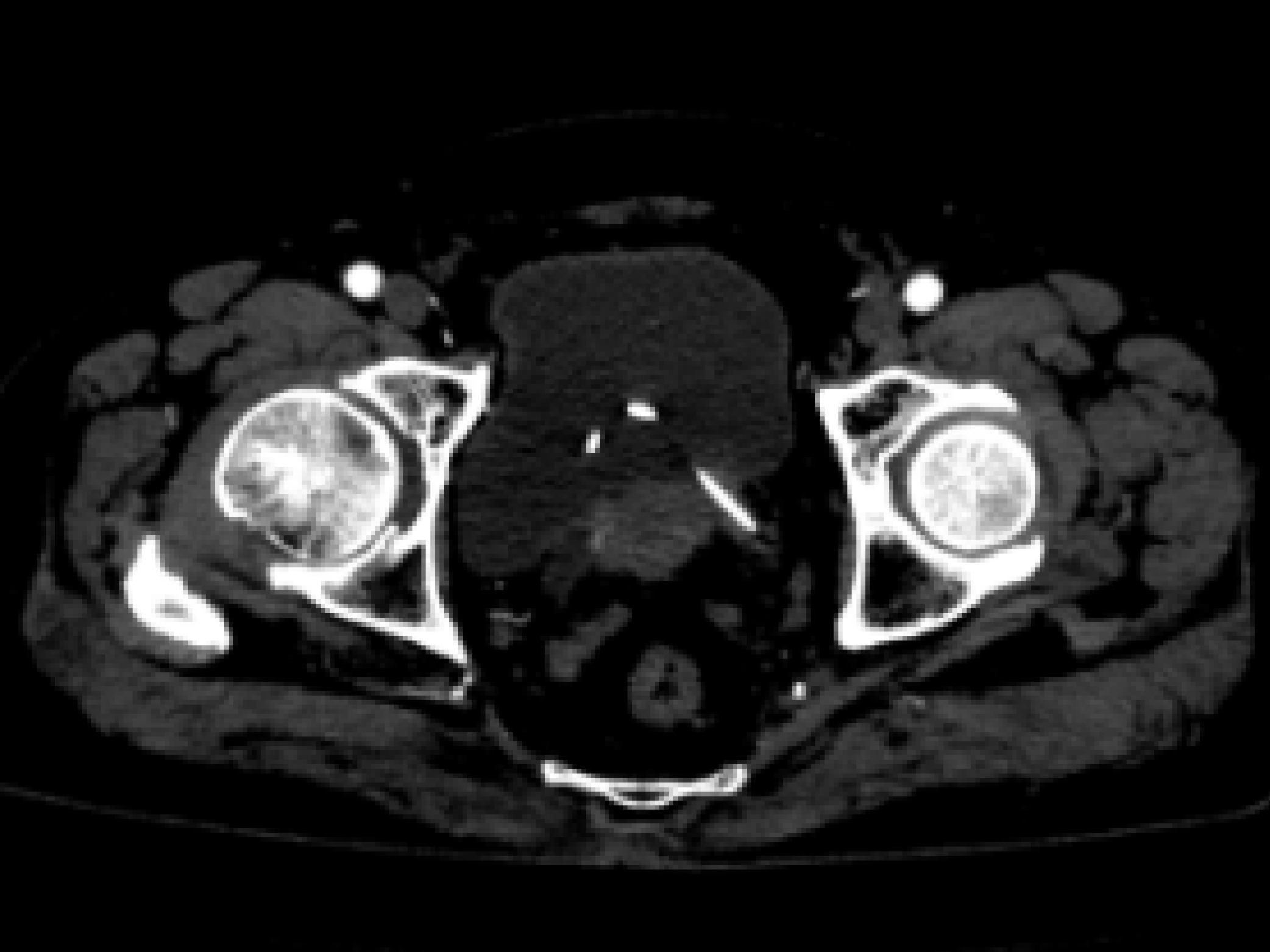
The main surgical challenges were threefold:
· Tumor infiltration caused extensive pelvic adhesions, making separation difficult and increasing the risk of injury to adjacent organs and massive hemorrhage;
· Both hydronephrotic ureters needed to be fully mobilized and fashioned into stomas, requiring high instrument dexterity and visual clarity;
· In the context of advanced age and multiple comorbidities, intraoperative tissue traction had to be minimized, wound exposure time shortened, and large fluctuations in blood pressure and heart rate avoided.
During the procedure, AGIBOT endoscopic surgical system's end-to-end 4K 3D imaging clearly delineated the layered anatomy of the deformed pelvic structures. The 7‑DOF articulating instruments allowed gentle dissection of the bladder from surrounding tissues within the narrow pelvic space, with precise vascular ligation and excellent intraoperative hemostasis. The built‑in intelligent tremor‑filtering system eliminated physiological hand tremor interference, enabling smooth completion of bilateral hydronephrotic ureter mobilization and skin stoma anastomosis, with zero‑latency instrument response and stable imaging throughout. Postoperatively, the patient's vital signs remained stable, with no adverse events such as massive hemorrhage or circulatory instability.
Case 2: Extremely Elderly Patient with Anemia and Multiple Metastases
The patient was nearly 90 years old and presented with hypertension grade 2, supraventricular premature beats, hypoalbuminemia, refractory anemia, recurrent urinary tract infections, and poor nutritional status, making major trauma poorly tolerated and perioperative risk extremely high. CTU showed multiple thickened tumor lesions in the bladder wall and enlarged lymph nodes along the bilateral iliac vessels.
For this patient, AGIBOT endoscopic surgical system's integrated boom‑structured patient cart with multi‑jointed design and visual intelligent guidance effectively simplified preoperative setup through flexible spatial adaptability. The 4K 3D vision clearly distinguished congested and edematous pathological bladder wall from normal tissue, and faithfully replicated the surgeon's maneuvers, enabling gentle dissection that minimized organ traction and stimulation. The patient's blood pressure and heart rate remained stable throughout the procedure, with no arrhythmia induced. The entire bladder was completely resected and bilateral ureterostomies successfully constructed, with minimal blood loss and effectively reduced surgical stress in this elderly patient.
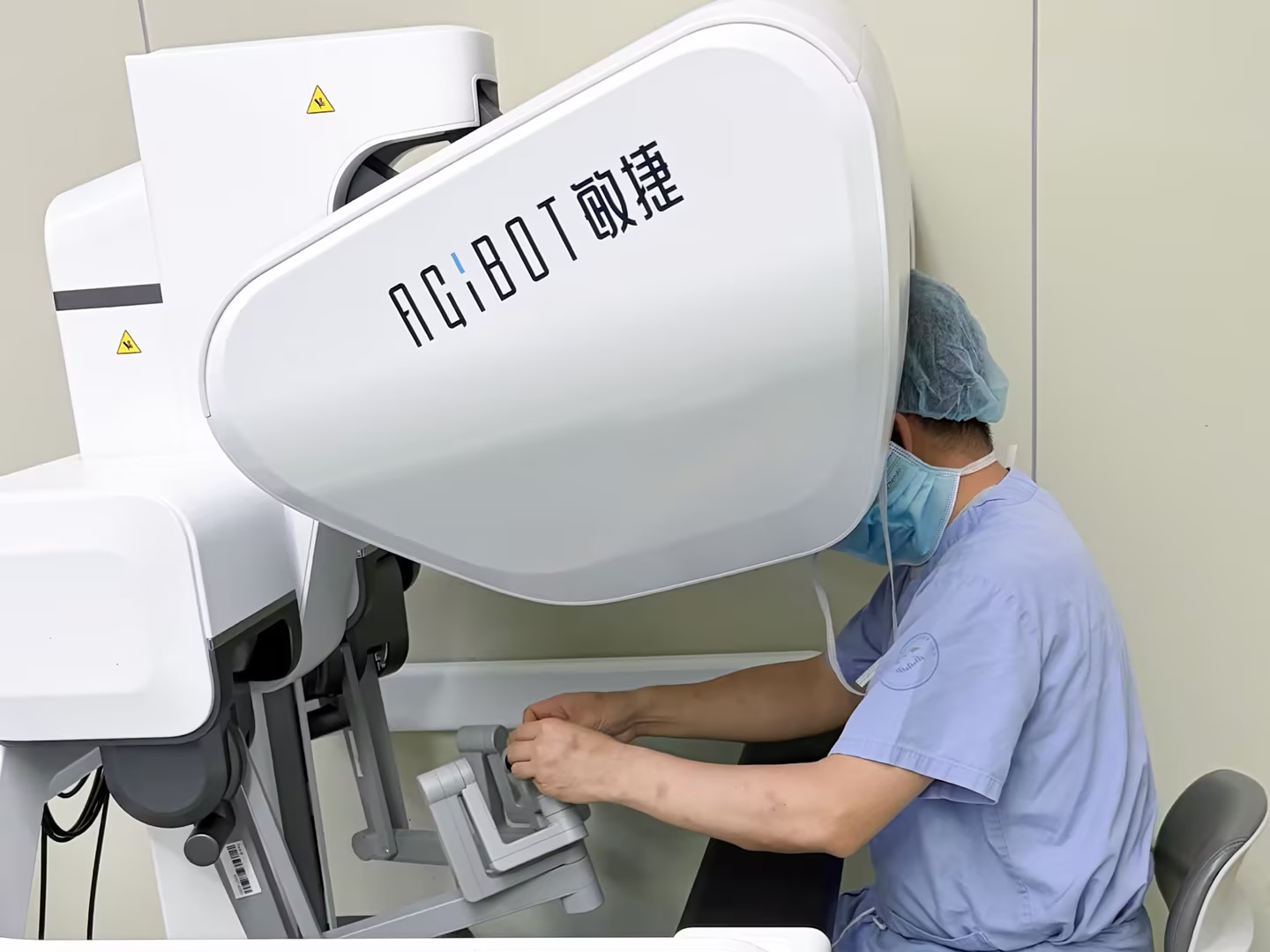
Urology: Precision Nephron‑Sparing Surgery for Early‑Stage Renal Tumors
In addition to radical cystectomy, Professor Wang Delin's team also demonstrated AGIBOT endoscopic surgical system's application in nephron‑sparing surgery for renal tumors. Partial nephrectomy requires complete tumor excision while maximizing preservation of normal nephron function, along with strict control of renal artery clamping time—posing dual challenges of precision and efficiency.
Case 3: Right Renal Tumor
This case involved a 1.5×1.5 cm malignant nodule in the right renal. Nephron‑sparing surgery demanded complete resection with negative margins while preserving as much healthy renal tissue as possible, requiring extremely delicate manipulation.
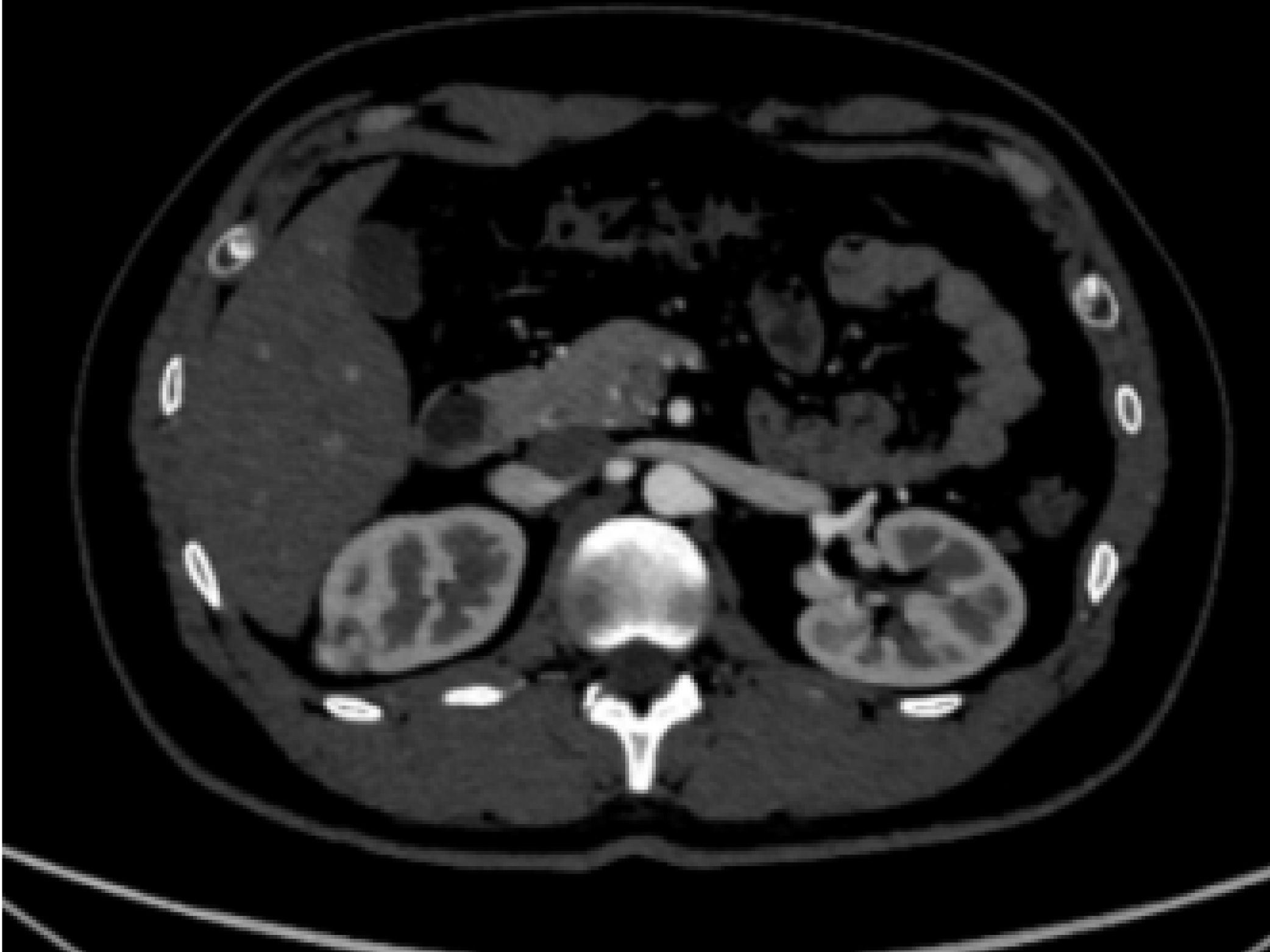
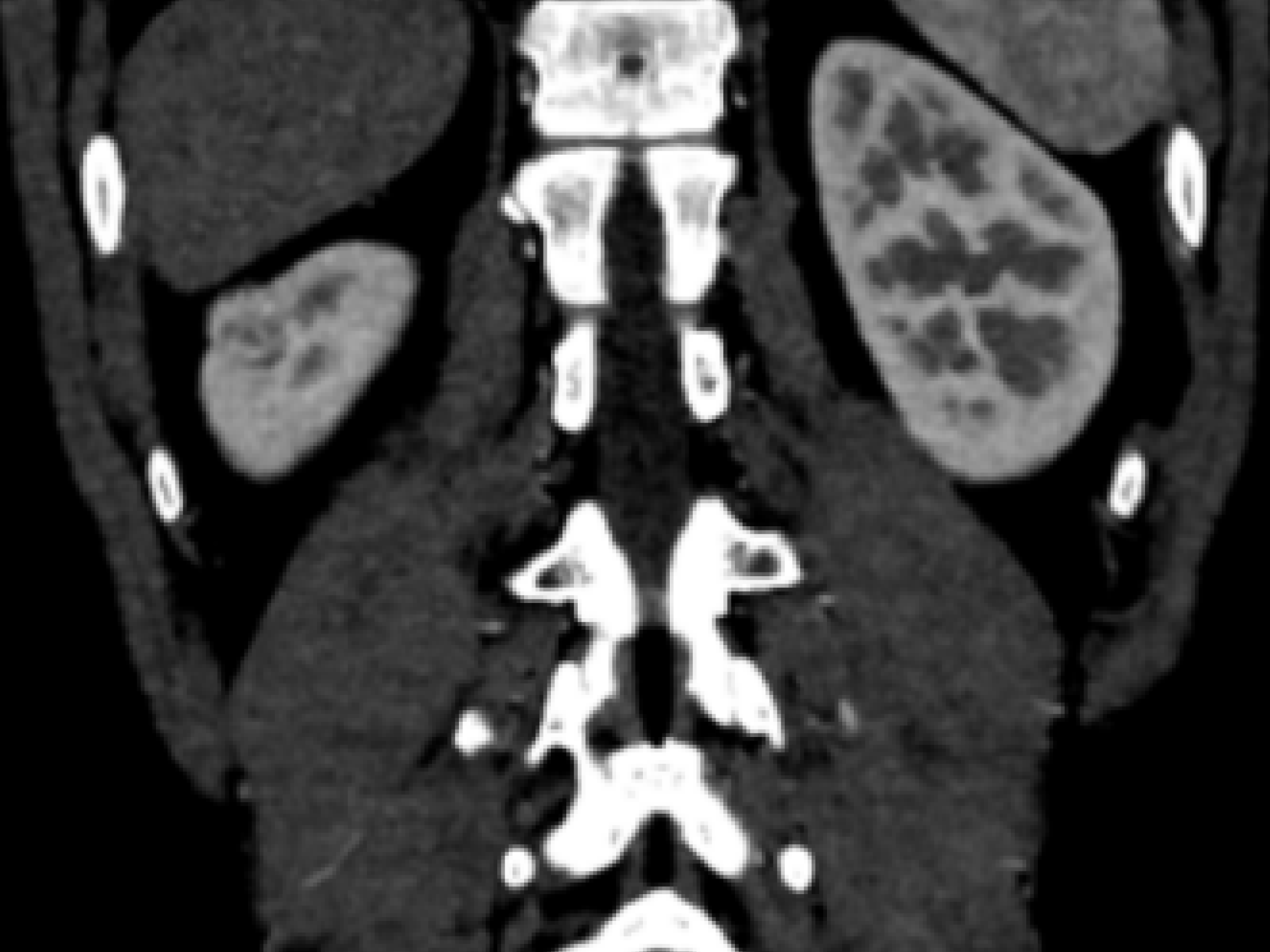
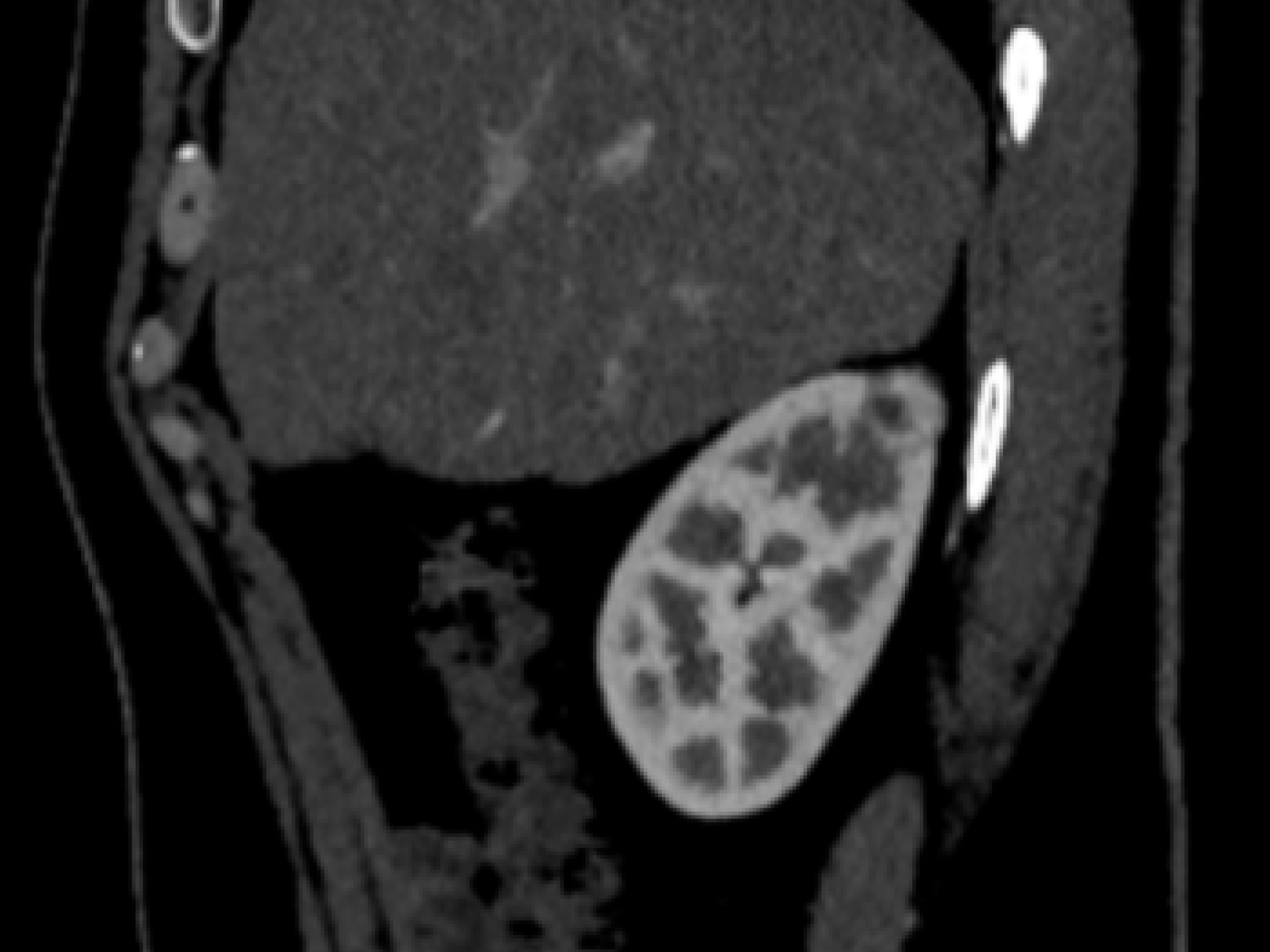
The surgical difficulties were particularly prominent:
· The tumor was small and deeply embedded in the renal parenchyma with no surface localization markers;
· Dense vasculature around the kidney and the tumor's close proximity to normal renal tissue made resection margins difficult to control—insufficient margins risked recurrence, while excessive resection impaired renal function;
· Traditional laparoscopic instruments have limited range of motion, making layered suturing of the renal parenchymal defect challenging.
Intraoperatively, AGIBOT endoscopic surgical system's 4K ultra‑high‑definition vision clearly highlighted the tiny renal nodule, helping the surgeon precisely define tumor boundaries. The 7‑DOF instruments reached deep into the narrow perirenal space to precisely dissect the tumor capsule, achieving complete enucleation of the 1.5 cm lesion with adequate negative margins. The robotic system's specialized high‑DOF wristed instruments flexibly performed layered, continuous, precise suturing of the renal defect, resulting in a well‑closed wound with no obvious oozing and maximal preservation of healthy nephrons.
Notably, the surgeon's master‑slave operating time was only 23 minutes for the entire procedure, and the renal artery clamping time was shortened to just 6 minutes—far below the standard clamping time for conventional partial nephrectomy. This significant reduction in renal ischemia time directly lowered the risk of postoperative acute kidney injury and created favorable conditions for rapid recovery of postoperative renal function. The patient's renal function parameters remained stable postoperatively, and the goal of minimally invasive nephron‑sparing radical treatment for early renal tumor was successfully achieved.
Breast and Thyroid Surgery: BABA Scar‑Free Approach and Robotic Precision Management of Thyroid Cancer
The incidence of thyroid cancer has been rising year by year. Traditional open surgery leaves a permanent scar on the neck. The bilateral axillo‑breast approach (BABA) robotic thyroid surgery conceals incisions in hidden areas, achieving a scar‑free neck, but the long operative channel and narrow cervical working space place high demands on instrument dexterity and visual precision.
Case 4 : Left Thyroid Malignancy
The patient's thyroid nodule had recently enlarged to over 1 cm; fine‑needle aspiration suggested suspicious papillary carcinoma, and BRAF gene testing showed a mutation. Professor Xing Lei's team performed robotic‑assisted left thyroid lobectomy plus isthmectomy via the BABA approach.
The risks in thyroid surgery are injury to the recurrent laryngeal nerve, superior laryngeal nerve, and parathyroid glands, which can cause hoarseness or permanent hypocalcemia. During the procedure, AGIBOT endoscopic surgical system's 4K 3D ultra‑high‑definition vision fully displayed the nerve courses and parathyroid blood supply. The 7‑DOF instruments flexibly dissected and precisely coagulated within the narrow thyroid bed, with gentle manipulation throughout, greatly reducing the probability of nerve and glandular damage. The surgery was completed successfully, and the patient had normal postoperative phonation with well‑preserved parathyroid function.
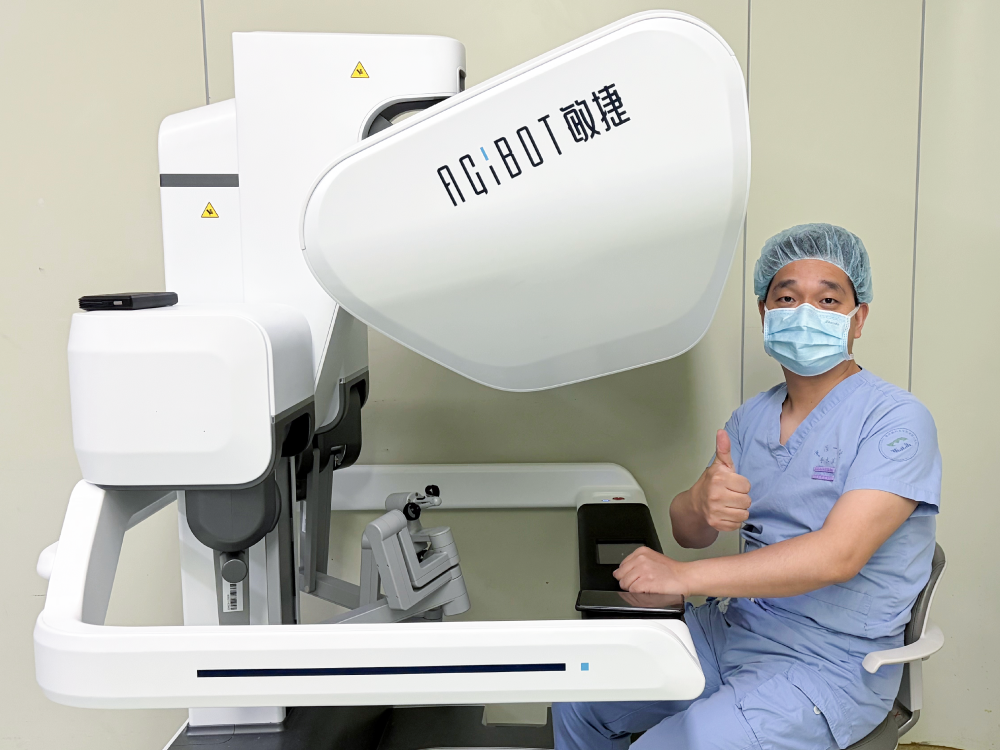
Surgeon Commentary: Multi‑Disciplinary, Multi‑Procedure Validation of Robotic System Performance
This live broadcast covered two major specialties—urology and thyroid/breast surgery—and three distinct surgical procedures, comprehensively testing AGIBOT endoscopic surgical system's overall performance. After all surgeries, the two lead professors shared their hands‑on experience.
Professor Wang said: "During this consecutive series of complex radical cystectomies and nephron‑sparing partial nephrectomies, AGIBOT endoscopic surgical system demonstrated outstanding performance. First, the master‑slave synchronization delay is extremely low; combined with the tremor‑filtering function, it enables micro‑traction and precise ligation when handling dense vessels around the renal hilum and bladder, effectively reducing the risk of intraoperative massive hemorrhage in high‑risk patients. Second, the end-to-end 4K 3D imaging realistically reproduces tissue details, clearly distinguishing displaced organs and tiny vessels, compensating for the lack of depth perception in traditional laparoscopic planar vision. Third, AGIBOT endoscopic surgical system's flexible multi‑position deployment and the industry‑first visual indicator of instrument usage count both shorten preoperative preparation time, allowing efficient turnover between consecutive surgeries—suitable for routine robotic‑assisted surgery in hospitals."
Professor Xing also gave a positive assessment: "The BABA approach for thyroid surgery involves a long operating distance and a narrow cervical workspace, which severely tests instrument flexibility and long‑range imaging quality. AGIBOT endoscopic surgical system perfectly met the surgical requirements, easily performing fine dissection on the dorsal side of the thyroid and the paratracheal space. Under magnified high‑definition vision, the recurrent laryngeal nerve and parathyroid glands were much more identifiable, significantly reducing intraoperative injury risk. While meeting oncological radical standards, it achieved a scar‑free neck, enriching the minimally invasive treatment options for thyroid tumors."
From "Cutting‑Edge" to "Standardized": Domestically produced robots are widely available and affordable
This robotic surgery live broadcast week represents a concentrated multidisciplinary, multi‑procedure clinical showcase of a domestic laparoscopic surgical robot. It covered common diseases including benign and malignant urological tumors and thyroid malignancies, with cases spanning young early‑stage tumors, advanced recurrent tumors in the elderly, high‑risk patients with multiple comorbidities, and those with aesthetic requirements—comprehensively validating AGIBOT endoscopic surgical system's general adaptability across different complex procedures in urology and thyroid surgery.
This live broadcast was not only a public demonstration of surgical prowess but also an "ice‑breaking" effort to dismantle technical information barriers. By openly sharing real cases, surgical challenges, and standardized operating procedures with surgeons nationwide, AGIBOT and The First Affiliated Hospital of Chongqing Medical University translated the mature experience of a top‑tier center into a referable, standardized pathway for primary hospitals, providing a replicable model for the clinical adoption of domestic surgical robots.
The future, AGIBOT will adhere to the innovation path of "medical‑engineering integration," continuing to collaborate with The First Affiliated Hospital of Chongqing Medical University and other top domestic tertiary medical centers to deepen clinical research and surgical education in robotic intelligent surgery. With "wider coverage, more possibilities," we aim to expand the clinical application boundaries of domestic surgical robots. We believe that every iterative improvement in system performance and every successful expansion of surgical boundaries brings us closer to making high‑end domestic medical equipment independently controllable, accessible, and beneficial to all.
2026.07.02