

AGIBOT Dynamics
150 Cases Milestone: AGIBOT System Continues Multidisciplinary Clinical Applications at The First Affiliated Hospital of Soochow University
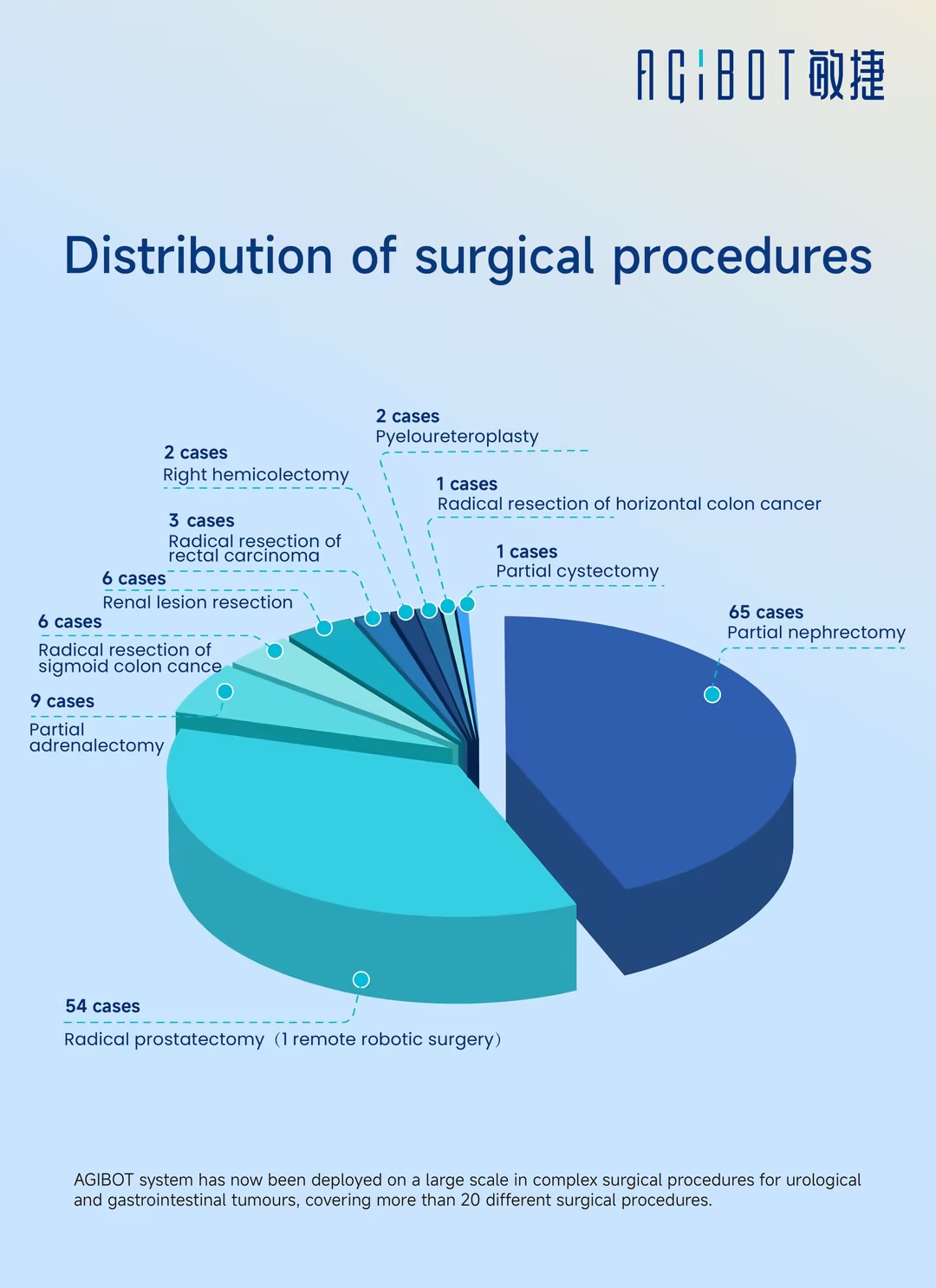
Recently, the AGIBOT Endoscopic Surgical System completed its 150th clinical application at The First Affiliated Hospital of Soochow University. The cases covered a range of specialities, including urology and gastrointestinal surgery, and involved more than 20 different surgical procedures, such as radical prostatectomy, partial nephrectomy, adrenalectomy, ureteroplasty and radical resection of gastrointestinal tumours. This has provided real-world clinical experience regarding the routine, multi-procedure application of domestically produced laparoscopic surgical robots in large general hospitals.
This 150th case was performed by the team led by Professor Huang Yuhua, Head of the Department of Urology, and involved a robot-assisted radical prostatectomy for prostate cancer. For a patient clinically diagnosed with localized prostate cancer, the surgical team, assisted by the robotic system, carried out key procedures such as neurovascular bundle preservation and bladder-urethral anastomosis.The intraoperative procedure went smoothly, and the patient's postoperative recovery met expectations.
The First Affiliated Hospital of Soochow University is a provincial hospital directly under the Jiangsu Provincial Health Commission, a regional medical center of Jiangsu Province, and one of the first batch of national Grade A tertiary hospital. In 2025, the hospital completed 80,000 surgical procedures, including 26,000 level 4 surgeries. Completing 150 applications in the multidisciplinary clinical setting of a high-level general hospital demonstrates the AGIBOT system's sustained adaptability and competency within complex clinical workflows.
From Single Procedure to Multidisciplinary Applications: The Clinical Expansion Behind 150 Cases
Since the first clinical application in urology in December 2025, AGIBOT system’s surgical procedures at the First Affiliated Hospital of Soochow University have expanded from partial nephrectomy to core urological procedures such as radical prostatectomy, adrenalectomy and ureteroplasty, and have further extended to applications such as radical resection of gastrointestinal tumours.
In urological surgery, the end-to-end 4K 3D imaging system provides the surgeon with a clear view for identifying tissue layers, vascular branches and tumour margins; the 7-DOF surgical instruments facilitate precise dissection, suturing and reconstruction procedures within deep, confined spaces such as the pelvis and renal hilum.
In gastrointestinal surgery, the four-arm configuration and 8-DOF surgical arms provide a stable operational platform for the radical resection of gastrointestinal tumours in various regions of the abdominal cavity. Especially in deep pelvic operation scenarios like low rectal cancer, the robotic system demonstrates application value in terms of stable visualization, instrument dexterity, and fine manipulation.
Data from 150 cases indicate that AGIBOT System has established a foundation for multi-procedure applications covering Urology, Gastrointestinal Surgery, and other disciplines at The First Affiliated Hospital of Soochow University, accumulating traceable clinical experience for subsequent clinical training, procedural workflow optimization, and quality management.
Local Surgery, Remote Coordination, and Consecutive Scheduling: Multi-Scenario Validation Ongoing
During the clinical application at The First Affiliated Hospital of Soochow University, validation of the AGIBOT system has not been limited to the completion of individual surgeries, but has progressively entered multi-scenario testing in real operating room environments: including both local routine surgeries and remote collaborative surgeries; both single-procedure applications and consecutive multi-procedure scheduling.
On July 3, 2026, with The First Affiliated Hospital of Soochow University acting as the local slave end, Professor Huang Yuhua's team collaborated with the master end in Beijing to complete a remote robot-assisted radical prostatectomy across a distance of approximately 1,100 kilometers. During the procedure, master-slave control response was sensitive, achieving millisecond-level responsiveness; 4K/3D ultra-clear visuals were transmitted bidirectionally in real-time; and the end-to-end latency of the global network was stably controlled within 30 milliseconds. The surgery was successfully completed. This case further expanded the application scenarios for remote robotic surgery at The First Affiliated Hospital of Soochow University and accumulated practical experience for cross-regional medical collaboration.
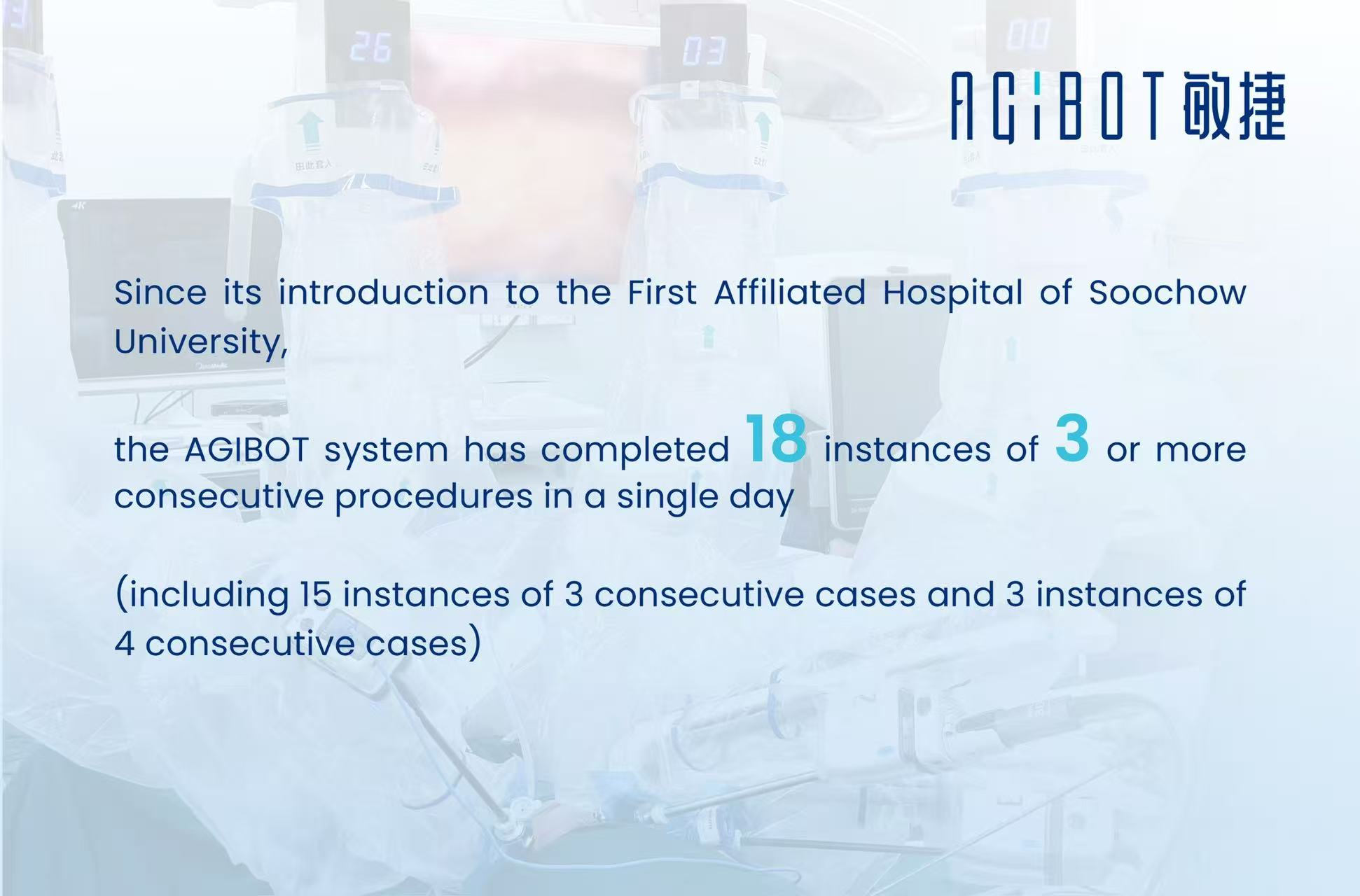
In terms of its capacity for consecutive procedures, since its introduction to the First Affiliated Hospital of Soochow University, the AGIBOT system has completed 18 instances of 3 or more consecutive procedures in a single day (including 15 instances of 3 consecutive cases and 3 instances of 4 consecutive cases). These have covered high-frequency, complex urological procedures such as radical prostatectomy and partial nephrectomy, encompassing both high-frequency consecutive performance of the same procedure and rapid switching between different procedures.
Compared with single-case surgery, consecutive procedures present a comprehensive challenge for robotic systems that more closely mirrors real-world clinical operations: the equipment must maintain stable imaging quality, control responsiveness and system performance across multiple procedures; the surgical team must coordinate efficiently regarding patient positioning, trolley positioning, instrument changes, sterile set-up and intraoperative transitions; whilst the hospital operating theatre must complete equipment preparation, workflow coordination and quality control within a limited time window. Throughout this process, the “camera + laser” dual-guidance visualisation system fitted to the AGIBOT system assists with cart positioning and robotic arm docking; when integrated with aseptic deployment procedures, it helps to enhance the efficiency of pre-operative preparation and intra-operative handover. The successful completion of multiple consecutive procedures has validated the system’s imaging stability, consistent control response and intra-operative turnaround efficiency during continuous operation across multiple surgeries, whilst also demonstrating the maturity of collaboration between the surgical team and the equipment under high-workload conditions.
Clinical Feedback: Domestically Produced Laparoscopic Surgical Robots Are Being Integrated into Routine Clinical Practice
"150 cases is an important milestone." said Professor Huang,"From the first case to the 150th, we have witnessed firsthand the continuous progress of domestically produced surgical robots in clinical application. The performance of the AGIBOT system in terms of control precision, imaging clarity, and system stability can already meet the daily demands of complex surgeries in Grade A tertiary hospitals."
Professor Zhou Xiaojun from the Department of Gastrointestinal Surgery, who participated in related clinical applications, remarked: "The value of surgical robots lies not only in enhancing operational precision, but also in helping to make complex surgical workflows more standardized and trainable. With the accumulation of case numbers, we have gained a deeper understanding of the application potential of domestically produced equipment in multidisciplinary scenarios."
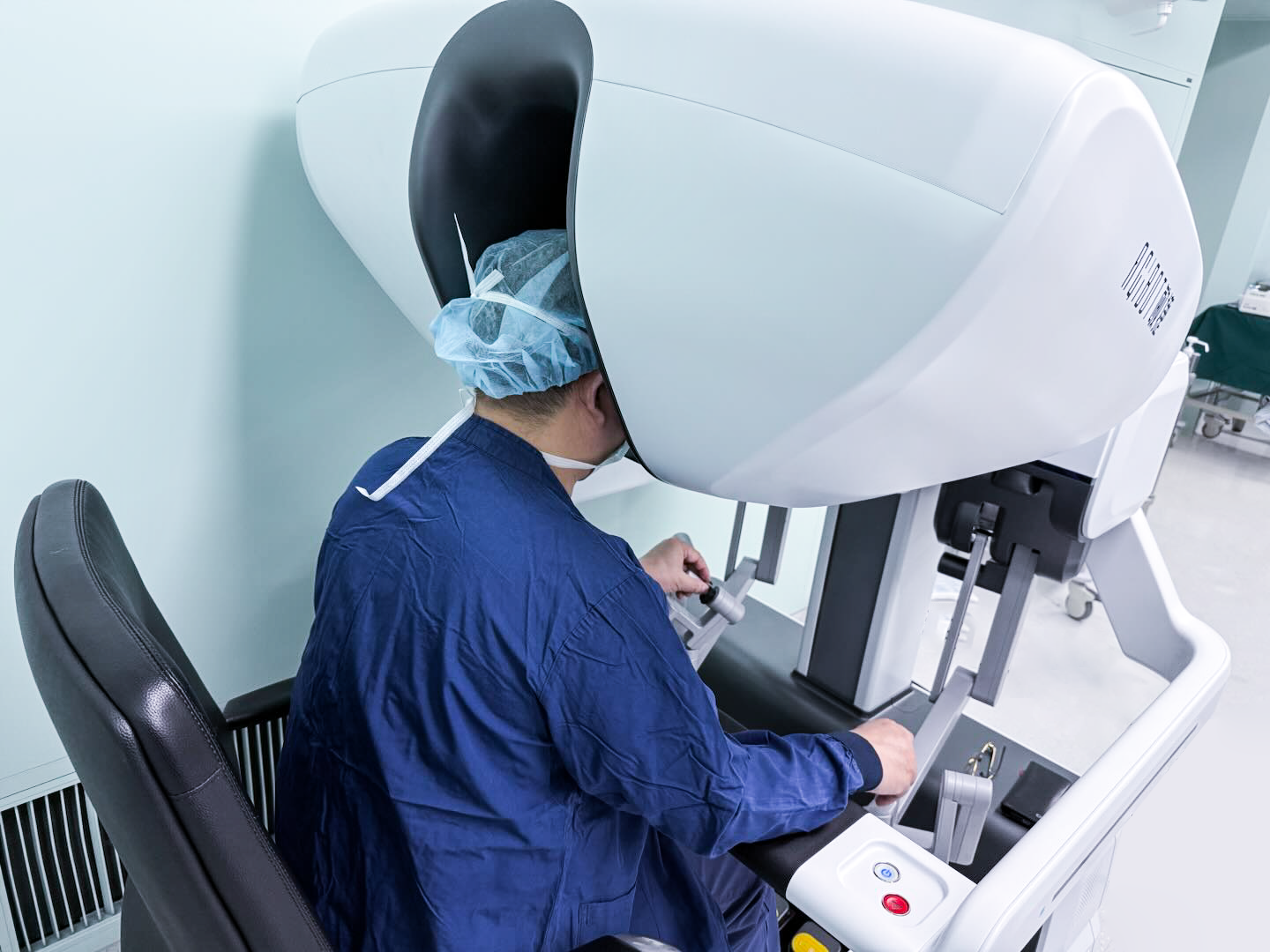
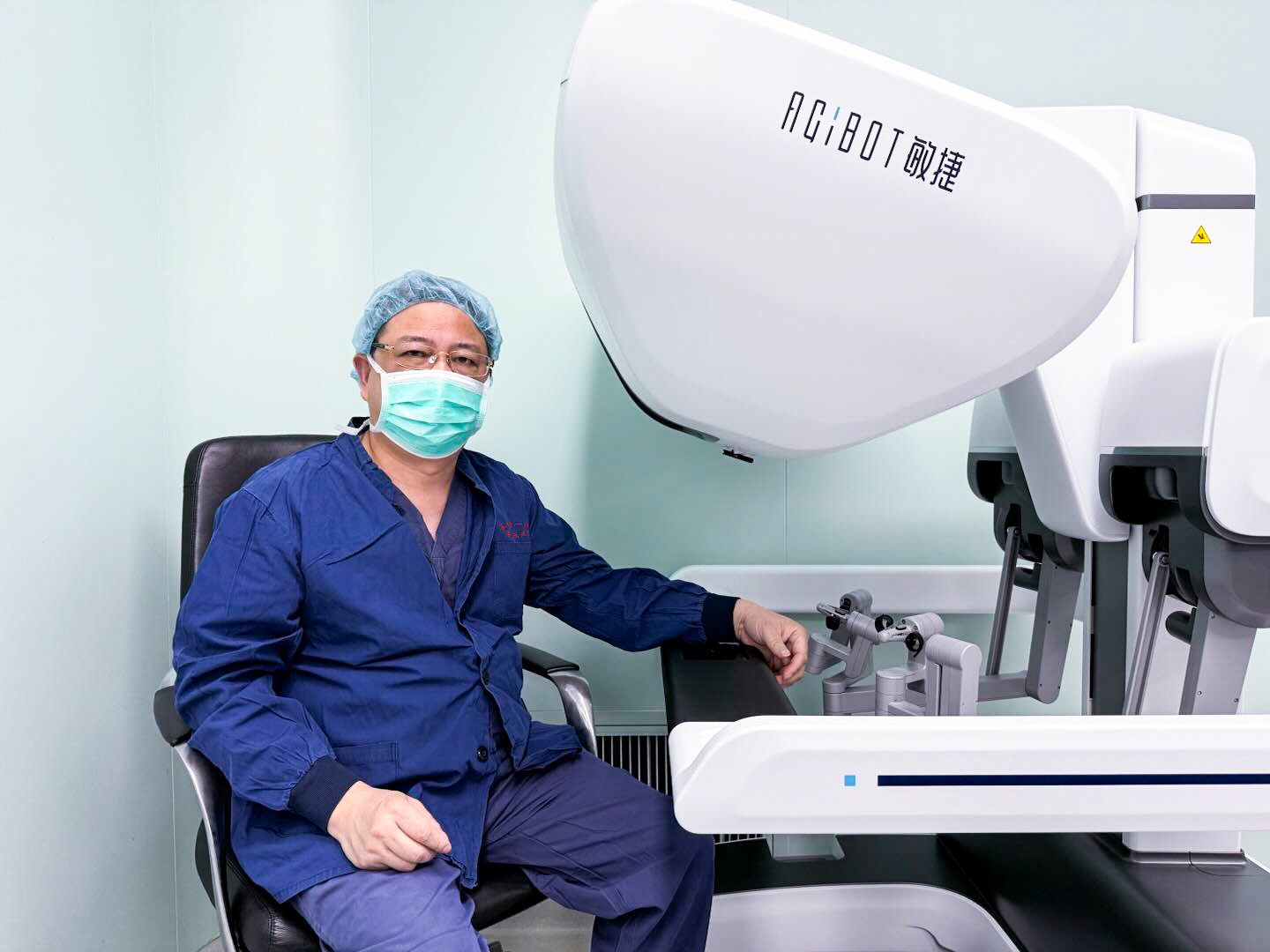
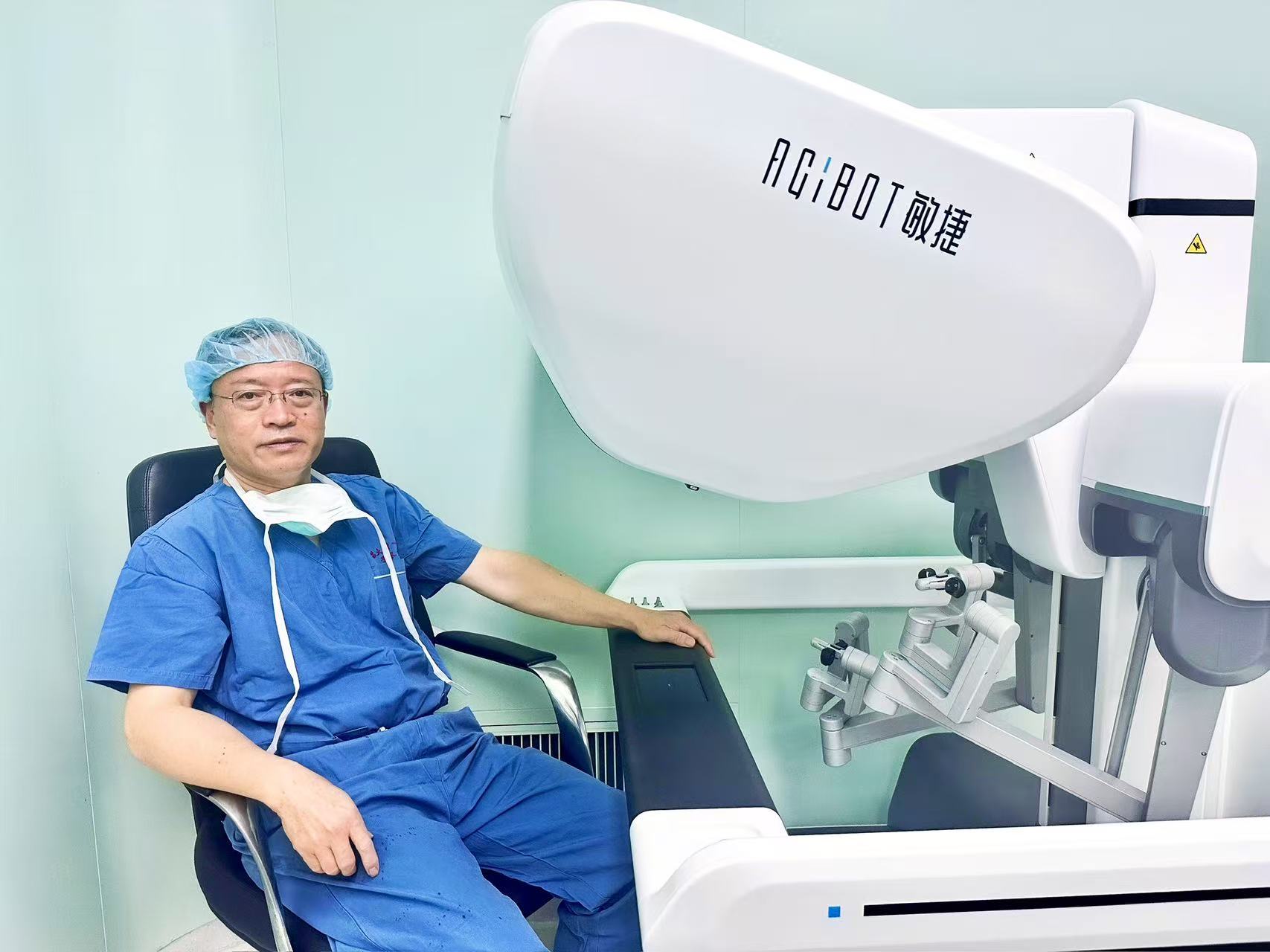
Director Huang Yuhua of Urology operating the AGIBOT system
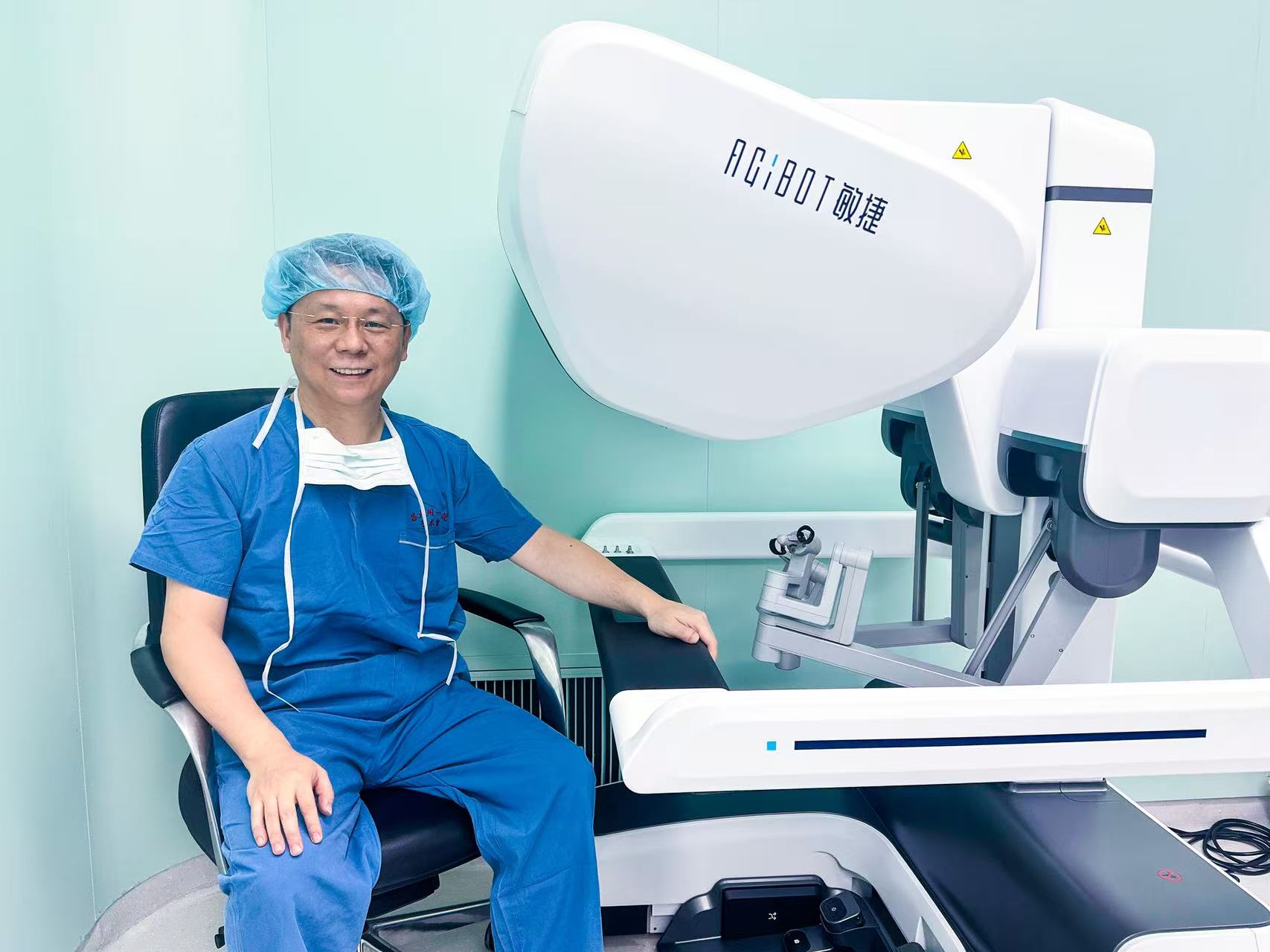
Deputy Director Zhou Feng of Urology performing robot-assisted surgery
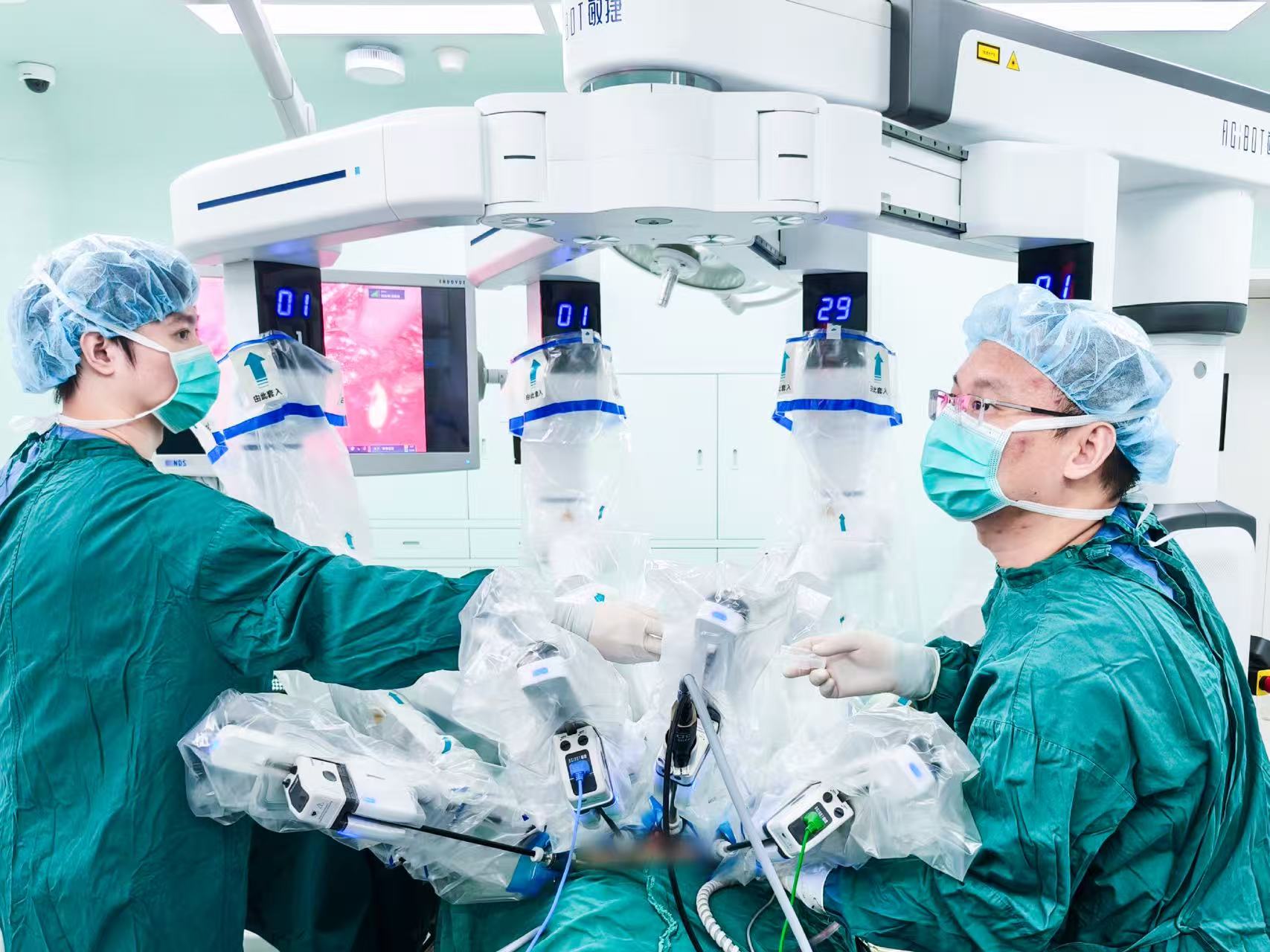
Professor Zhang Xuefeng of Urology completing remote radical prostatectomy
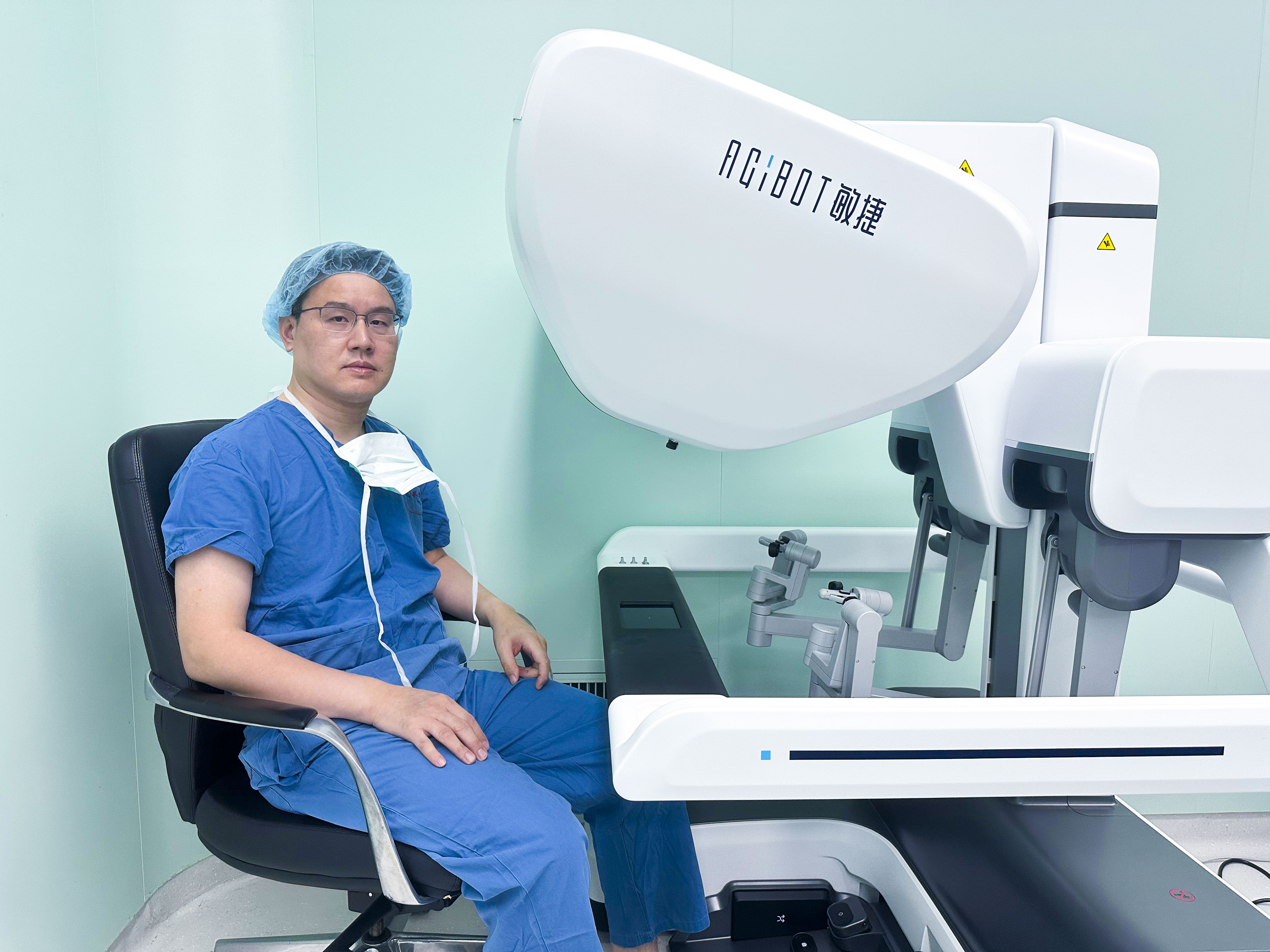
Deputy Director Wei Xuedong of Urology operating the AGIBOT system
Professor Li Gang of Urology operating the AGIBOT system
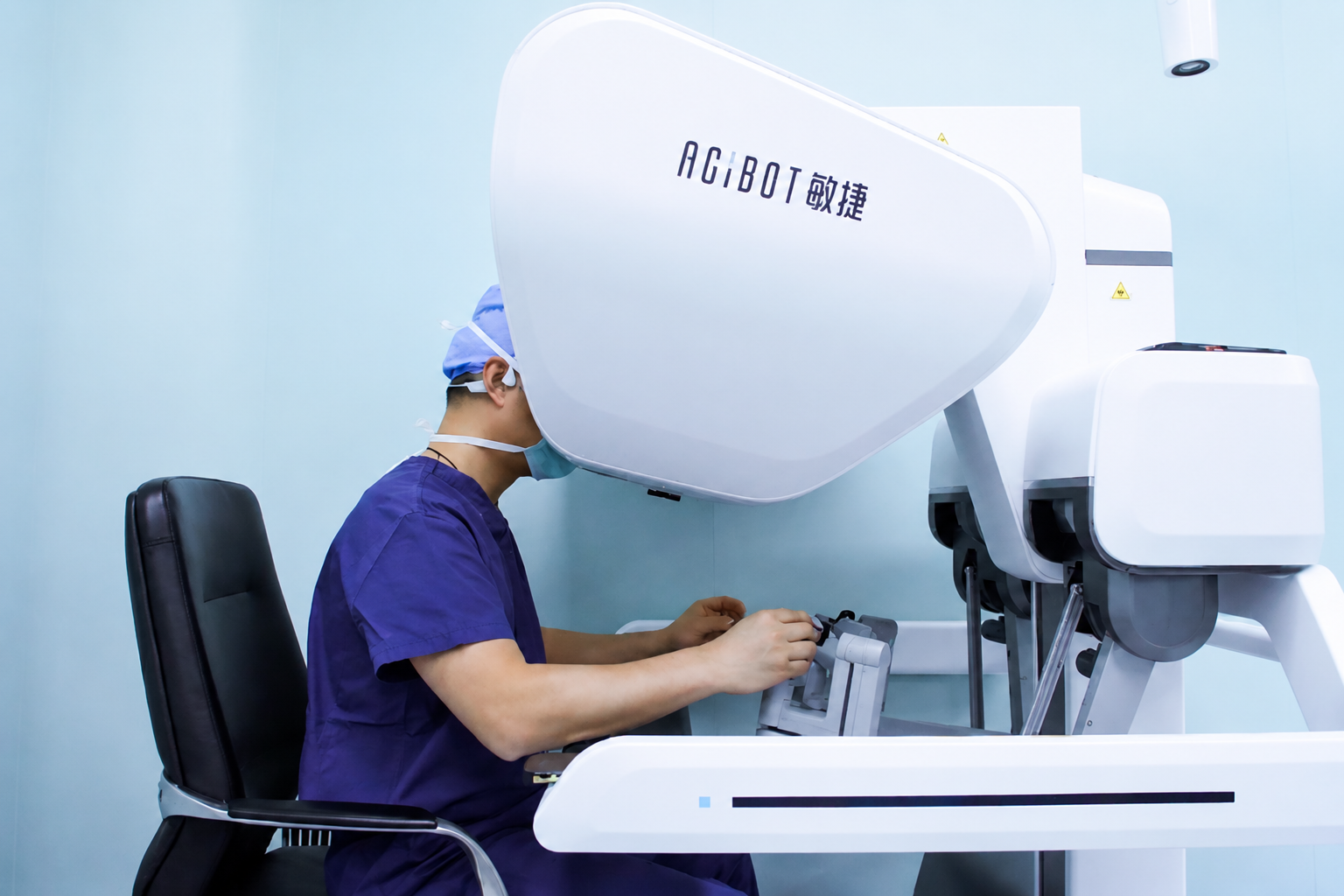
Professor Zhou Xiaojun of Gastrointestinal Surgery operating the AGIBOT system
Industry-Medical Collaboration: Advancing Product and Procedure Iteration with Real-World Clinical Data
To date, the clinical applications carried out by AGIBOT system at the First Affiliated Hospital of Soochow University have generated a set of multidisciplinary application data from real-world clinical settings, providing traceable clinical evidence to support subsequent product iterations, optimisation of surgical procedures, and the development of a physician training system.
Based on the intraoperative imaging, operational workflows, and clinical feedback accumulated from 150 surgeries, AGIBOT will continue to collaborate with the clinical team at The First Affiliated Hospital of Soochow University to explore application experience in areas such as instrument access routes, intraoperative coordination, cart deployment, and remote collaboration for domestically produced surgical robots. This aims to progressively transform relevant experience into clinical application references that can be used for training, review, and iteration.
Xu Min, founder of AGIBOT, stated: "The significance of 150 cases is not just the number itself. It represents that domestically produced laparoscopic surgical robots are being validated in real clinical scenarios, and it also means we have the opportunity to answer a key question together with frontline clinical teams: How can domestically produced surgical robots better integrate into the surgical workflows, training systems, and quality management of Chinese hospitals."
Based in Suzhou: Moving Toward Broader Clinical Scenarios
Currently, in addition to The First Affiliated Hospital of Soochow University, the AGIBOT system has also entered several other high-level Grade A tertiary hospitals, including Nanjing Drum Tower Hospital, Chinese PLA General Hospital, and The First Affiliated Hospital of Chongqing Medical University. As of the second quarter of 2026, the system has cumulatively completed nearly 2,000 complex surgical applications. From multidisciplinary clinical applications at a local Suzhou hospital, to routine exploration in multiple high-level hospitals nationwide, and to access planning for overseas markets, AGIBOT is continuously driving domestically produced surgical robots toward broader clinical application scenarios, guided by real clinical needs.
150 cases is a milestone, but not the endpoint. It is answering a more specific question: when 150 cases become 1,500 or 15,000 cases, how should this system be used, trained on, and managed in clinical practice? — That is what AGIBOT and its clinical users are defining together.
2026.07.22